
Last updated November 21, 2026
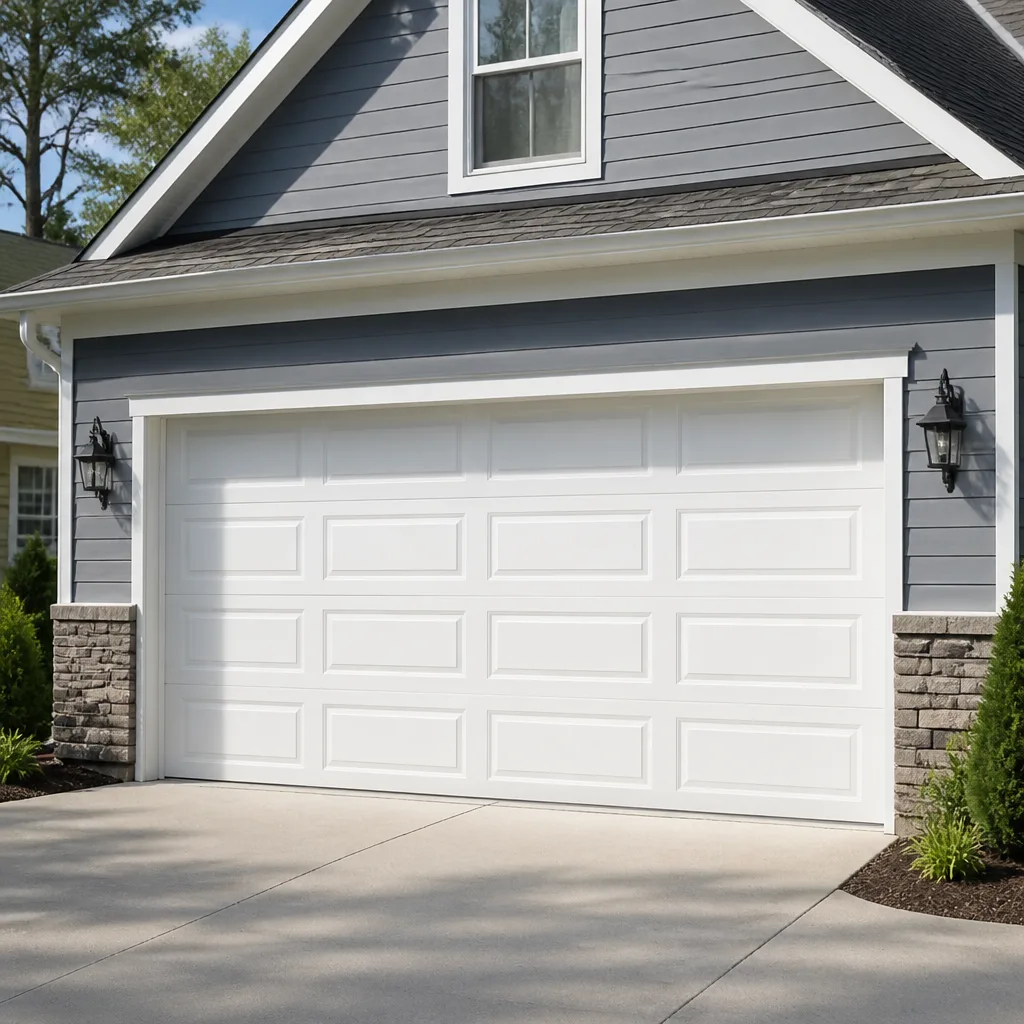 Raised-panel steel
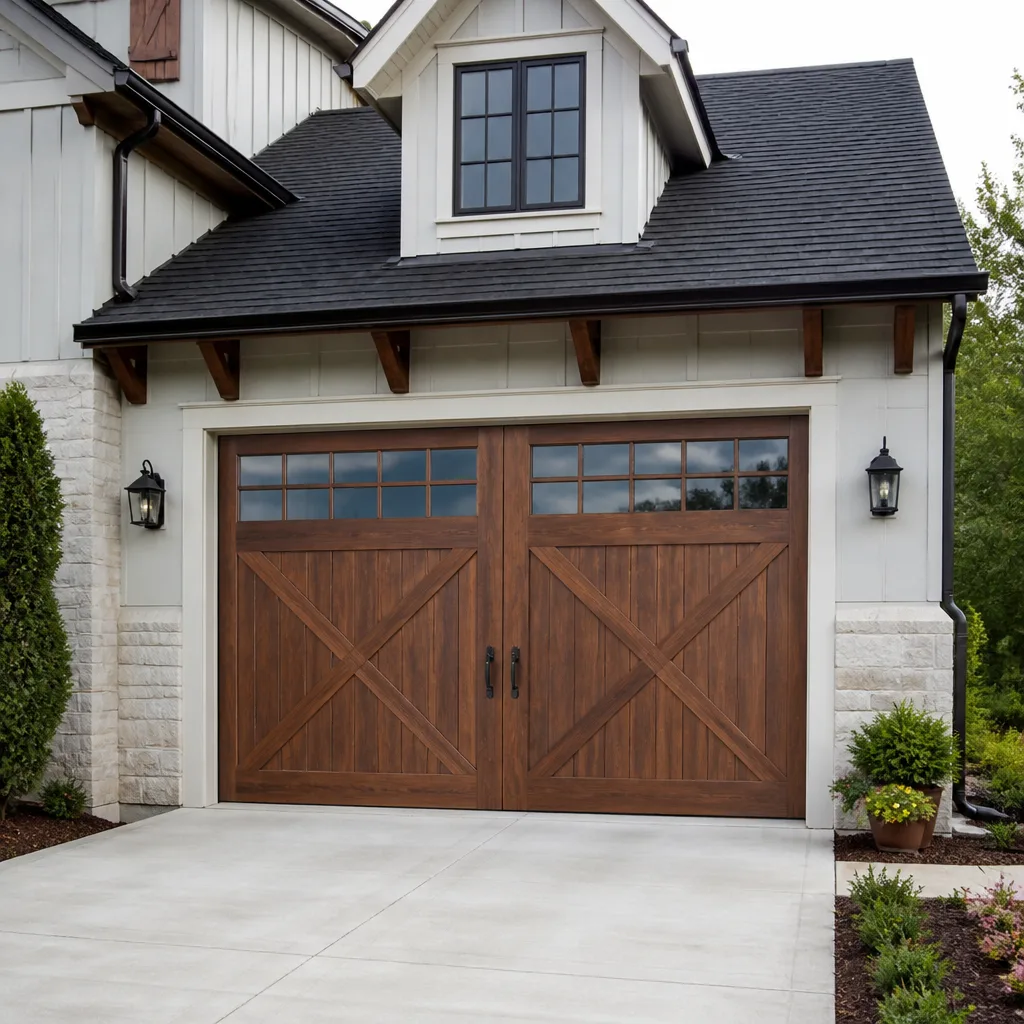 Carriage house
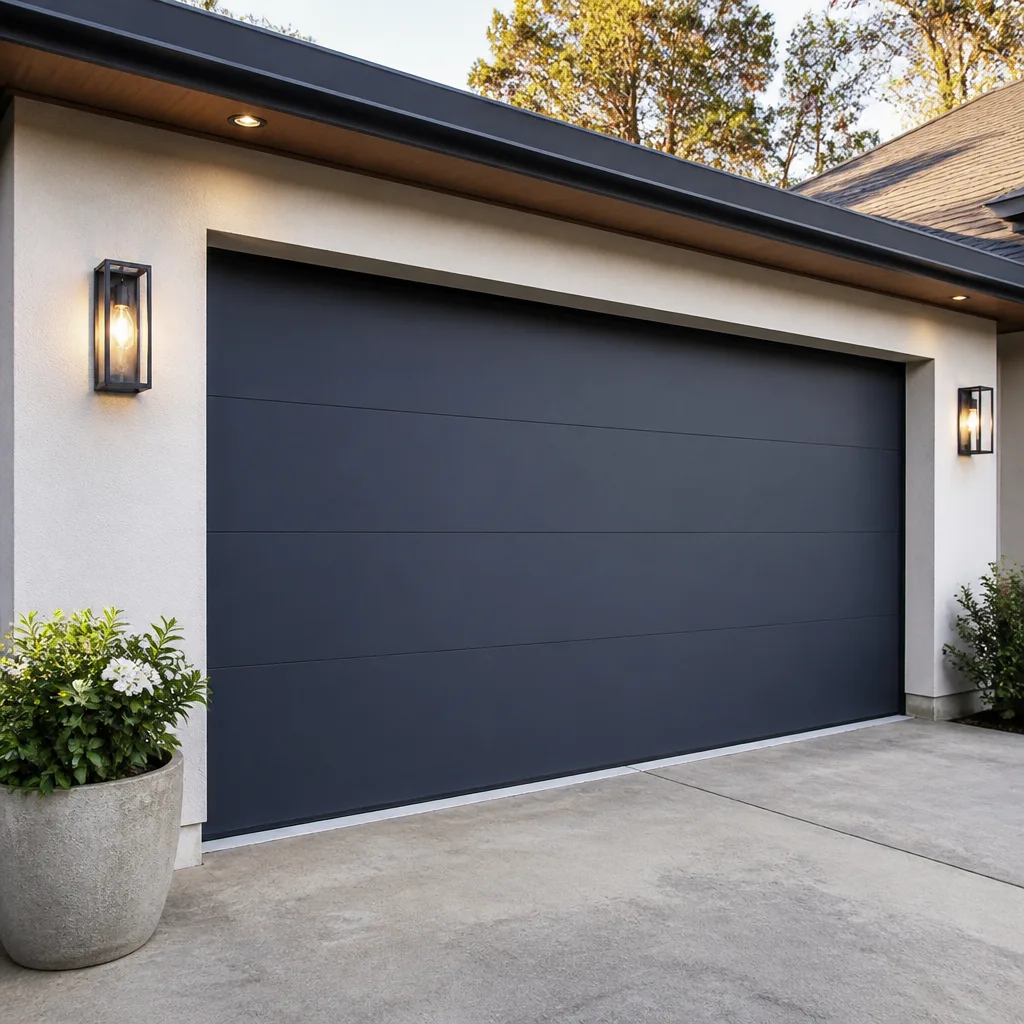 Modern flush
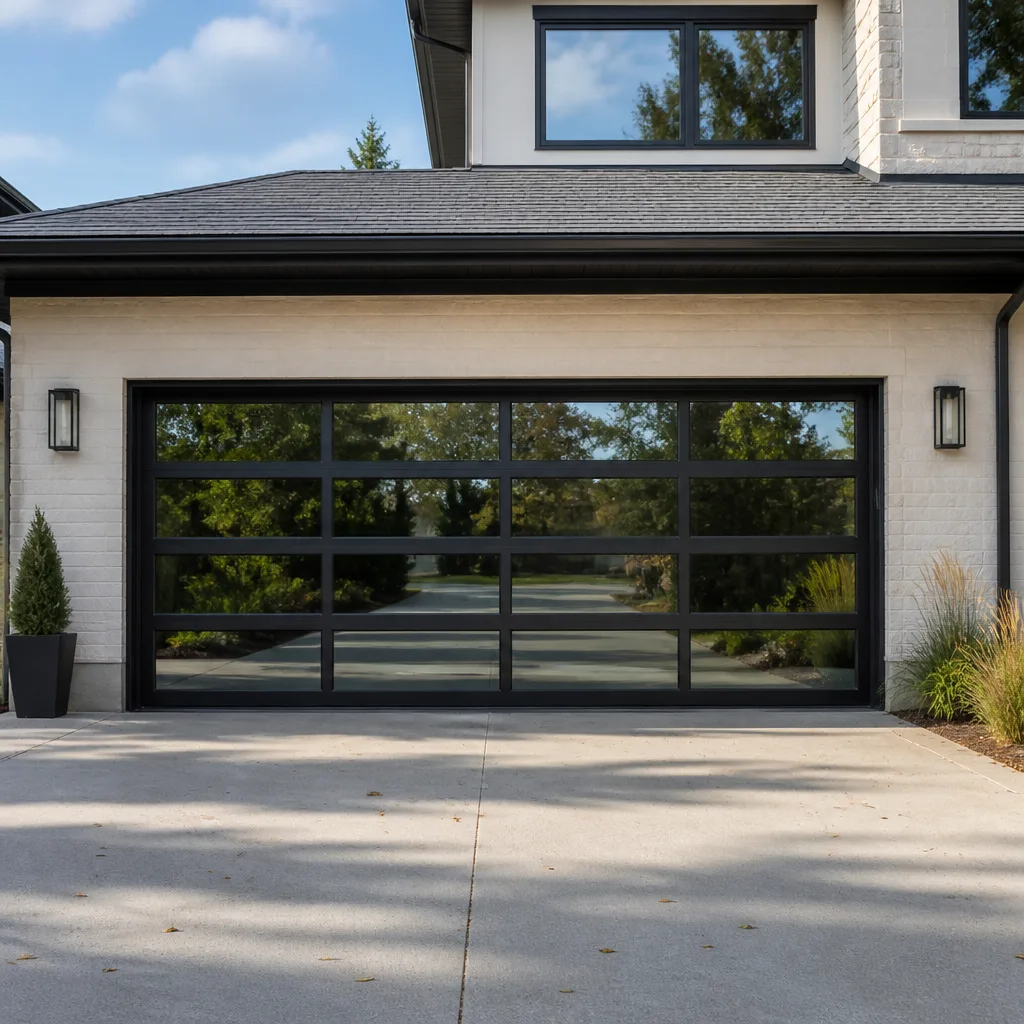 Full-view glass
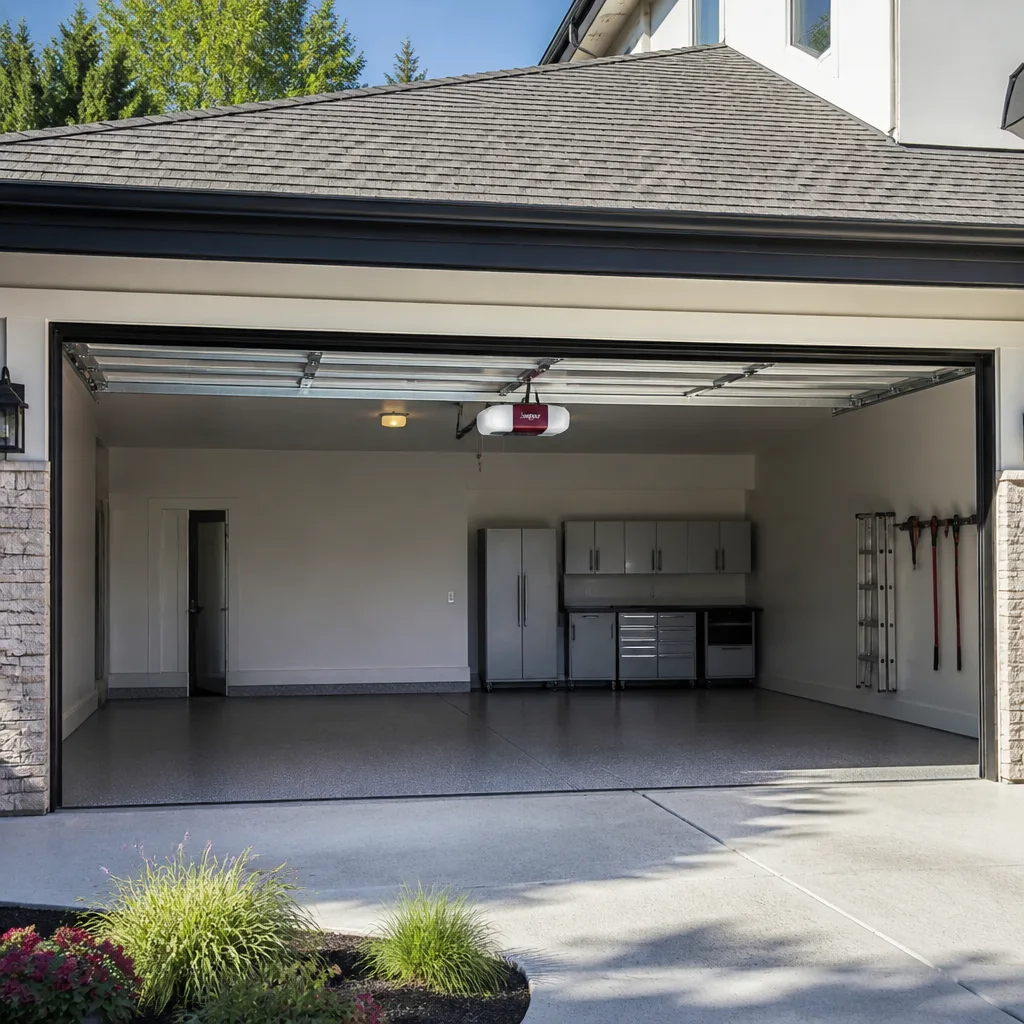 LiftMaster openers
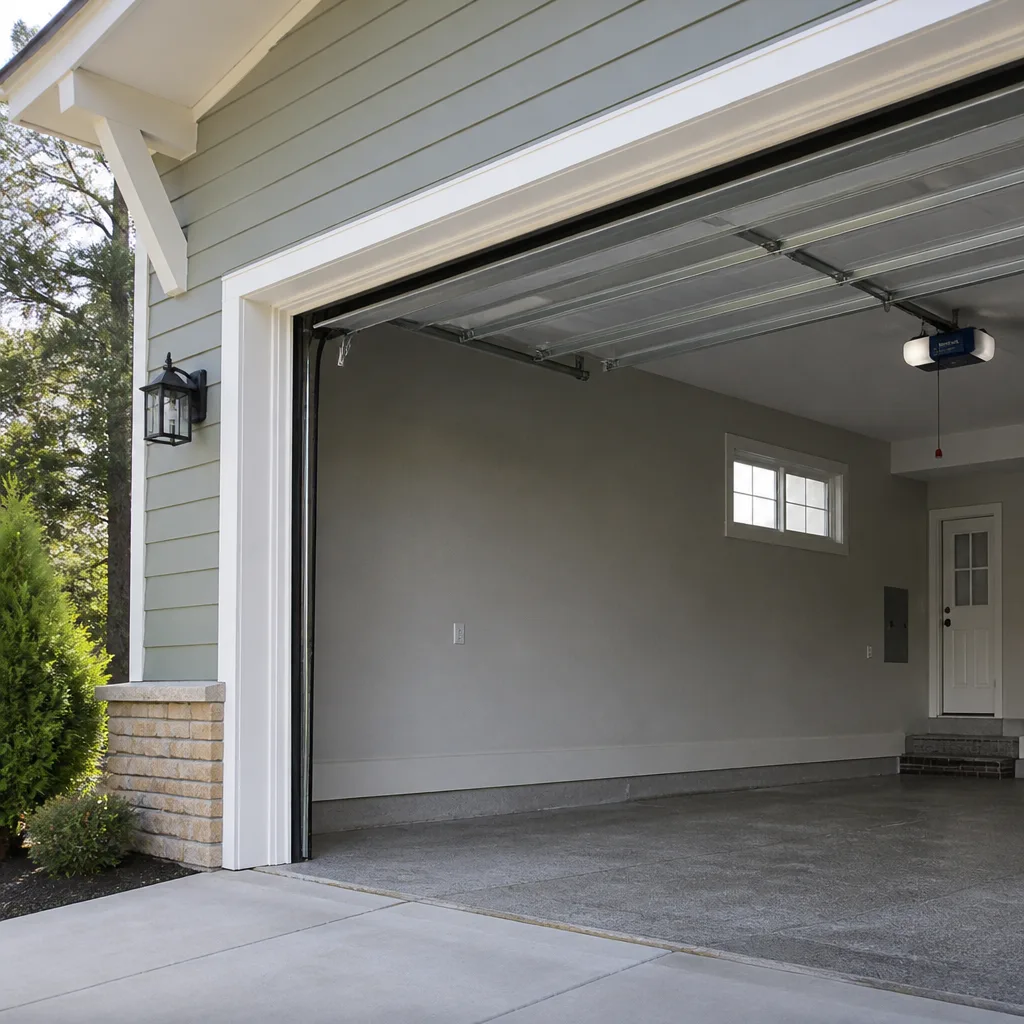 Chamberlain openers
Full 25-point door and opener safety check with every visit - springs, cables, rollers, tracks, and your LiftMaster or Chamberlain opener included
You get a price before we start. It does not change when the pro arrives.
Get your free estimateGarage Door Permits, Codes & Inspections in Lawrenceville, PA: What You Need to Know
Here’s a fact that catches Lawrenceville homeowners off guard again and again: replacing a broken spring on your garage door never requires a permit, but replacing the door itself often does. The dividing line isn’t how much you spend or how big the job feels. It comes down to scope, and whether the work changes the structure, the opening, or the safety systems that a building official cares about. That distinction matters more than most people realize, because it can surface years later during a home inspection or a title search, right when you’re trying to close a sale. In this guide, we’ll walk through the specific threshold in Pennsylvania that separates repair from replacement, how municipal rules layer on top of state code, what fire-rated requirements apply when your garage shares a wall with living space, and exactly what to ask your contractor before work begins.
Quick Answer
In Pennsylvania, a garage door repair (like replacing springs, cables, rollers, or a torsion bar) generally does not require a permit, while a full door replacement or a change to the opening, framing, or header often does, depending on your municipality’s rules. Lawrenceville and Lawrence County requirements sit on top of the statewide building code, so you need to confirm current local rules with your city or township building department before work starts. Unpermitted replacement work can show up in home inspections and title searches and become a problem at resale.
Styles & brands we work with
- Raised-panel steel
- Carriage house
- Modern flush
- Full-view glass
- LiftMaster openers
- Chamberlain openers
Table of Contents
- Repair vs. Replacement: Where Pennsylvania Draws the Line
- How Lawrenceville and Lawrence County Requirements Layer on Top
- Fire-Rated Doors and Attached Garages: The Code Point Contractors Skip
- How Unpermitted Work Shows Up in Inspections and Title Searches
- What to Ask Your Contractor Before Work Begins
- What Documentation to Keep After the Job
- Why Lawrenceville Weather Matters for Your Door
- Permits Won’t Fix a Bad Installation
Repair vs. Replacement: Where Pennsylvania Draws the Line
The single biggest source of confusion we run into is the assumption that a permit is tied to cost. It isn’t. Pennsylvania’s building code framework cares about scope: what part of the structure you’re changing and whether the work affects life safety, structural integrity, or the building envelope. A door swap that reuses the same opening and doesn’t touch framing is treated very differently from a replacement that changes the width, height, or header of the opening.
Here’s how the division usually plays out:
Work that typically does not require a permit
- Replacing torsion or extension springs
- Replacing cables, drums, or rollers
- Replacing hinges, brackets, or bottom seals
- Replacing a garage door opener or remote system
- Replacing panels on an existing door with the same size and spec
Work that often does require a permit
- Installing a new garage door where the opening is being modified
- Widening or raising a garage door opening
- Replacing the header or structural framing above the opening
- Replacing a fire-rated door that separates the garage from living space
- Converting a garage door to a solid wall or a different type of door (like a pedestrian door)
Notice that none of those categories mention cost. A $6,000 custom Clopay installation that fits the existing opening may be exempt in many municipalities, while a modest replacement that involves reframing triggers a permit almost everywhere. The rule is about what the building looks like when you’re done, not what you spent.
If you’re planning a full door swap or a new installation, this is a good moment to line up a specialist who understands both the code side and the install side. Our garage door installation page covers how a replacement job is scoped and scheduled, and we’re always happy to talk through the permit question with you before anything gets ordered.
How Lawrenceville and Lawrence County Requirements Layer on Top
Pennsylvania adopts a statewide building code, but the enforcement and the specific permit thresholds belong to the municipality. That means the rules in Lawrenceville can differ from the rules in a neighboring township, even though they both sit under the same state code. For a homeowner, this is where things get slippery, because the answer to “do I need a permit?” isn’t one answer for Lawrence County. It’s the answer your specific municipality gives you.
Here’s a practical way to think about the layering:
- State code sets the baseline. Pennsylvania’s Uniform Construction Code (UCC) establishes the broad categories of work that require permits and inspections, including structural changes and certain life-safety items.
- The municipality enforces it. Lawrenceville and the surrounding Lawrence County municipalities issue the permits and conduct the inspections. Some have their own building department; others contract with a third-party code official.
- Local amendments can tighten the rules. A municipality may have stricter local requirements on things like fire separation, setbacks, or the size of the opening.
- Your specific lot and structure matter. A detached garage on a rural property is treated differently from an attached garage on a small in-town lot.
The practical takeaway is to verify current local requirements directly with your municipality’s building department before work starts. Don’t rely on a neighbor’s experience from five years ago or a contractor’s memory from a job across the county. Codes get updated, staff change, and what was allowed last year may not be this year. One phone call to the building department, with the address of the property in hand, saves a lot of heartburn later.
If the door itself is broken and needs repair rather than replacement, you’re usually outside the permit question entirely. For that kind of work, our garage door repair page walks through what a typical service call covers and how it’s priced.
Fire-Rated Doors and Attached Garages: The Code Point Contractors Skip
If your garage shares a wall or ceiling with your living space, the door between them is a fire separation element, and that changes what kind of door you need and how it has to be installed. This is the code point most often skipped in a quick replacement, and it’s the one that causes the biggest headaches during inspections.
Here’s what it usually comes down to:
- Attached garages require a fire separation. The wall between the garage and the house, and any door that opens into the house, is part of that separation. A door leading from the garage into a hallway or kitchen is not a standard interior door.
- Fire-rated doors have specific labels. A proper fire-rated door carries a label from a testing agency indicating its rating and its intended use. Removing or covering that label makes the door uncertifiable during an inspection.
- The frame and hardware are part of the system. A fire-rated door only performs if it’s hung in the right frame with the right closer, hinges, and self-closing hardware. Swapping the door slab into a non-rated frame defeats the point.
- A garage door itself isn’t the fire separation. The large overhead door on the exterior of the garage is not a fire-rated door. The fire separation is the wall and door between the garage and the house.
This is where a specialist’s eye matters. A general contractor might install a solid wood door and call it done. A fire-rated assembly is a specific product, sourced and installed to match the opening and the code requirement. If you’re planning any work that touches that separation, including converting a garage to living space, this is a conversation to have with your municipality and with a specialist before you buy anything. Our technicians have up to 10 years of experience with the fire separation questions that come up on attached garages in the Lawrenceville area, and we’ll tell you plainly when a job is outside what a garage door specialist should handle.
How Unpermitted Work Shows Up in Inspections and Title Searches
Unpermitted work doesn’t usually cause a problem the day it’s done. It surfaces during a home inspection or a title search, often years later, and usually right when a sale is in motion. That’s what makes it so disruptive: the homeowner who did the work is long gone, and the current owner is the one who has to answer for it.
Here’s how it tends to unfold:
- Home inspector notes a discrepancy. The inspector looks at the door size, the header, the framing, and the door label. If something doesn’t match the permit history on file, they flag it.
- The buyer’s agent requests documentation. A permit history request goes to the municipality. If there’s no record of a permit for a replacement that required one, the deal gets complicated.
- The title company weighs in. Depending on the municipality, an open permit or a known unpermitted change can affect how the title is cleared, sometimes delaying closing.
- Remediation gets expensive. Bringing the work into compliance usually means opening up the wall, re-doing the framing or the opening, applying for a permit retroactively, and paying inspection fees. That’s before any cosmetic repair.
We’ve seen this pattern enough times to say it plainly: the cost of pulling a permit up front is small compared to the cost of sorting out an unpermitted replacement during a sale. If you’re buying a Lawrenceville home and the door looks newer than the rest of the garage, that’s a reason to ask for the permit history. If you’re selling, gather the paperwork before you list.
What to Ask Your Contractor Before Work Begins
The best way to stay out of permit trouble is to ask the right questions before anyone touches the door. A knowledgeable contractor will have clear answers, and a vague one is a warning sign. Here’s what to ask:
- “Does this job require a permit in my municipality?” They should be able to tell you what triggers a permit in your township, and point you toward confirming with the building department if they aren’t sure.
- “Who pulls the permit?” In most municipalities the homeowner can pull it, but many contractors handle the paperwork. Clarify who is responsible before work starts.
- “Will the door be installed to the manufacturer’s spec?” Brand-specific fit matters for both performance and inspection, especially with lines like Clopay, Amarr, or Wayne Dalton, where the installation instructions are part of the spec.
- “What’s the fire rating on the door between the garage and the house?” If any part of the job touches that separation, ask for the label and confirm it matches what the code requires.
- “What written documentation will I get at the end?” Ask for the manufacturer’s spec sheet, the install confirmation, the permit number if one was pulled, and any inspection sign-off.
- “Is the price I’m quoted the price I’ll pay?” The written estimate should carry the final price for the scope of work described, and any changes should be agreed in writing before they happen.
A specialist who works on garage doors every day knows these questions and will answer them without flinching. That’s part of what it means to be a single-trade specialist rather than a generalist who handles doors on the side. If your opener has failed rather than the door itself, our garage door opener repair page covers how a repair call is handled and what to expect.
What Documentation to Keep After the Job
Once the work is done, the paperwork you keep is your protection. Put these items in a folder with your home records, and scan them into a digital file so you have both. You’ll thank yourself at resale, and if you ever sell, the buyer’s inspector and the title company will both want to see them.
- The permit itself. Keep a copy of the permit application and the issued permit, with the permit number visible.
- The inspection sign-off. If a final inspection was required, keep the signed inspection card or report. That’s the proof the work passed.
- The written estimate and invoice. These establish the scope of work and the price you agreed to. If the scope included a fire-rated door, the invoice should reflect it.
- The manufacturer’s spec sheet and installation instructions. These are the documents an inspector will reference if there’s ever a question, especially for a branded door like a Clopay or Amarr model where the spec matters.
- Photographs of the work. Before and after photos are a useful backup and cost nothing to keep.
- The warranty documentation from the door and opener manufacturers. Keep the original paperwork for the products themselves. Warranty terms come from the manufacturer, and coverage depends on proper installation.
None of this is complicated, but it only works if you actually do it. A folder with six documents can save weeks of headaches during a home sale.
Why Lawrenceville Weather Matters for Your Door
Western Pennsylvania’s seasonal swing is hard on garage doors. Cold winters, freeze-thaw cycles, and humid summers put repeated stress on springs, cables, and the seals around the door’s perimeter. That doesn’t change the permit rules, but it does change how often a door needs service, and it’s a reason to know your door’s condition before you’re dealing with a failure.
Here’s how the climate shows up in real garage door work around Lawrenceville:
- Cold snaps stress springs. Steel springs lose some tension in cold weather, and a spring that’s near the end of its life tends to break on the first cold morning. That’s the most common call we get in January and February.
- Freeze-thaw works on bottom seals. Water gets under a worn seal, freezes, and pries it loose. A seal replacement in the fall saves a wet garage floor in the spring.
- Humidity drives condensation on metal tracks. That’s a reason to check roller and hinge lubrication at the start of summer, not just in winter.
- Heavy snow load on the roof above the door. Snow pressing on a door header or on the door itself can rack the panels or bend the tracks. If the door binds or the top panel looks stressed after a heavy snow, have it checked.
None of that requires a permit. It’s routine maintenance and repair work, and it’s what keeps a garage door running through twenty or thirty seasonal cycles. If a spring snaps on a cold morning, the repair is a same-day job for our technicians, and no permit comes into the picture.
Permits Won’t Fix a Bad Installation
One last point that doesn’t get said often enough: a permit doesn’t make an installation good. It confirms that the scope of work was reviewed and inspected to code. Whether the door was hung square, whether the springs were sized correctly for the door’s weight, whether the opener was matched to the door’s lift requirements, whether the track was aligned and the hardware torqued to spec; none of that is on the permit. It’s on the installer.
That’s why a specialist matters. A door is a balanced mechanical system, and every part of it depends on the others. A torsion spring sized for the door’s actual weight is what makes an opener last. A door installed out of level will wear its rollers and its opener gear faster than one installed correctly. A fire-rated door hung in the wrong frame won’t perform as a fire separation even if the label looks right.
We work on the major residential brands, including Clopay, Amarr, Wayne Dalton, and Craftsman, and we source parts that match your specific system rather than one-size universal substitutes. When we quote a job, we quote what your door actually needs, and the written estimate is the price you pay. No surprises, no “while we’re in there” additions that weren’t agreed first.
Common Mistakes to Avoid
- Assuming a replacement doesn’t need a permit. Many homeowners assume any garage door work is exempt. In much of Lawrence County, a replacement that touches the opening, framing, or header does require one, so always confirm with your municipality first.
- Waiting until resale to think about permits. Unpermitted work is easiest to resolve before a sale is on the line. Pull permit history for any door that looks newer than the rest of the garage.
- Skipping the fire-rated door on an attached garage. Installing a standard interior door in a fire separation is a code violation and a real safety issue. Ask for the label and the spec sheet.
- Hiring a general contractor for a door-specific job. Garage doors are their own trade. A generalist may get the door on the wall, but brand-specific fit, spring sizing, and opener matching all live in specialist territory.
- Buying a door without checking the opening. Measure the opening and the header before ordering. A door that doesn’t fit the opening means rework, an amended permit, and a longer job.
- Ignoring seasonal warning signs. A grinding opener, a door that binds, or a spring that looks stretched are all signs to have the system checked before a cold snap turns them into a failure.
- Skipping the paperwork at the end. Keep the permit, the inspection sign-off, the invoice, the spec sheet, and your photos. It’s a ten-minute habit that saves a lot of trouble later.
See the difference
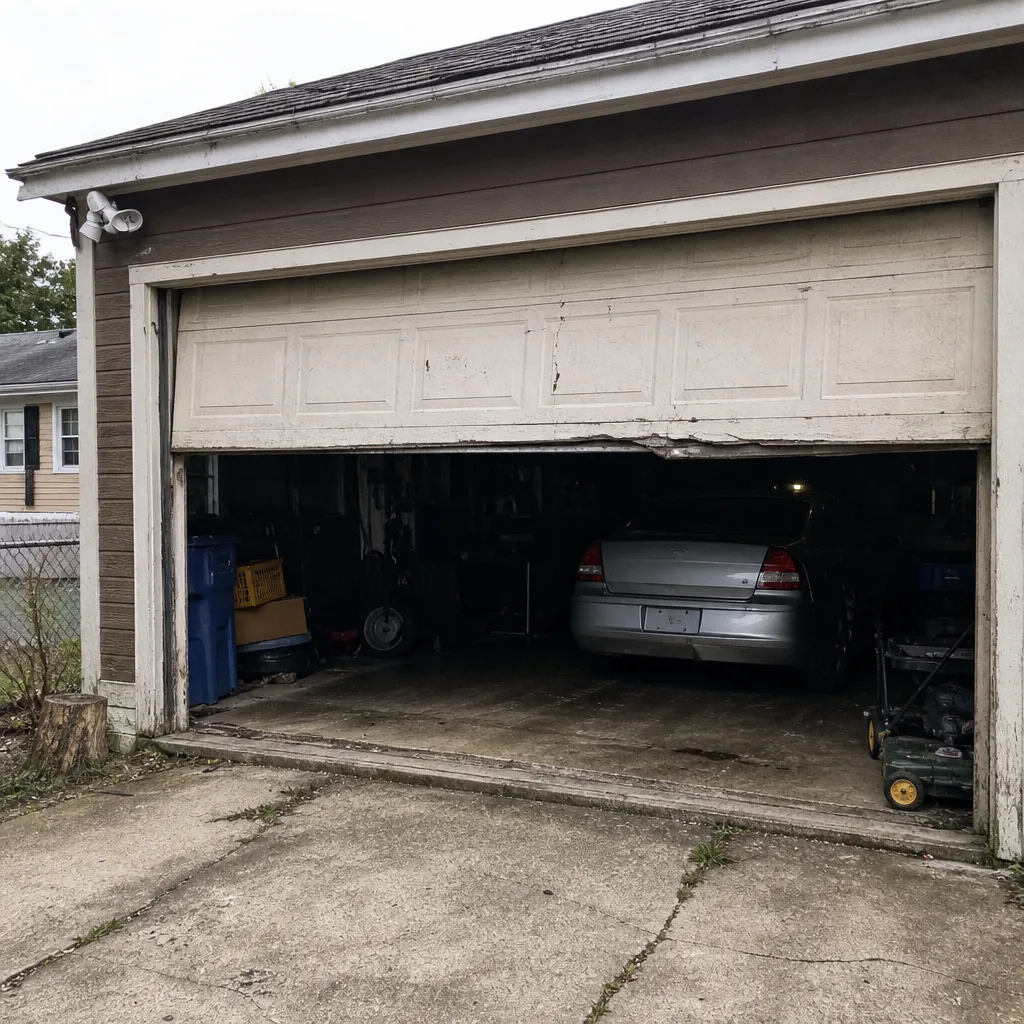 Before
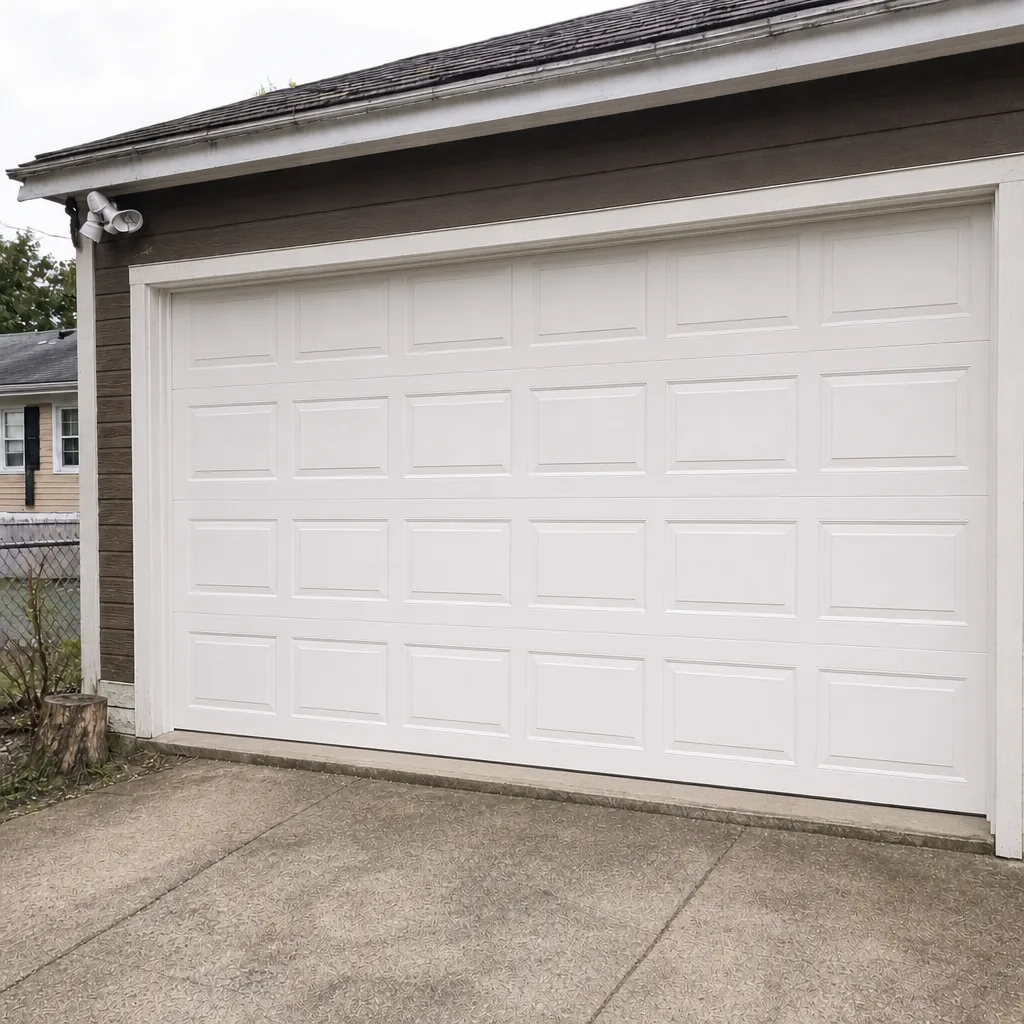 After
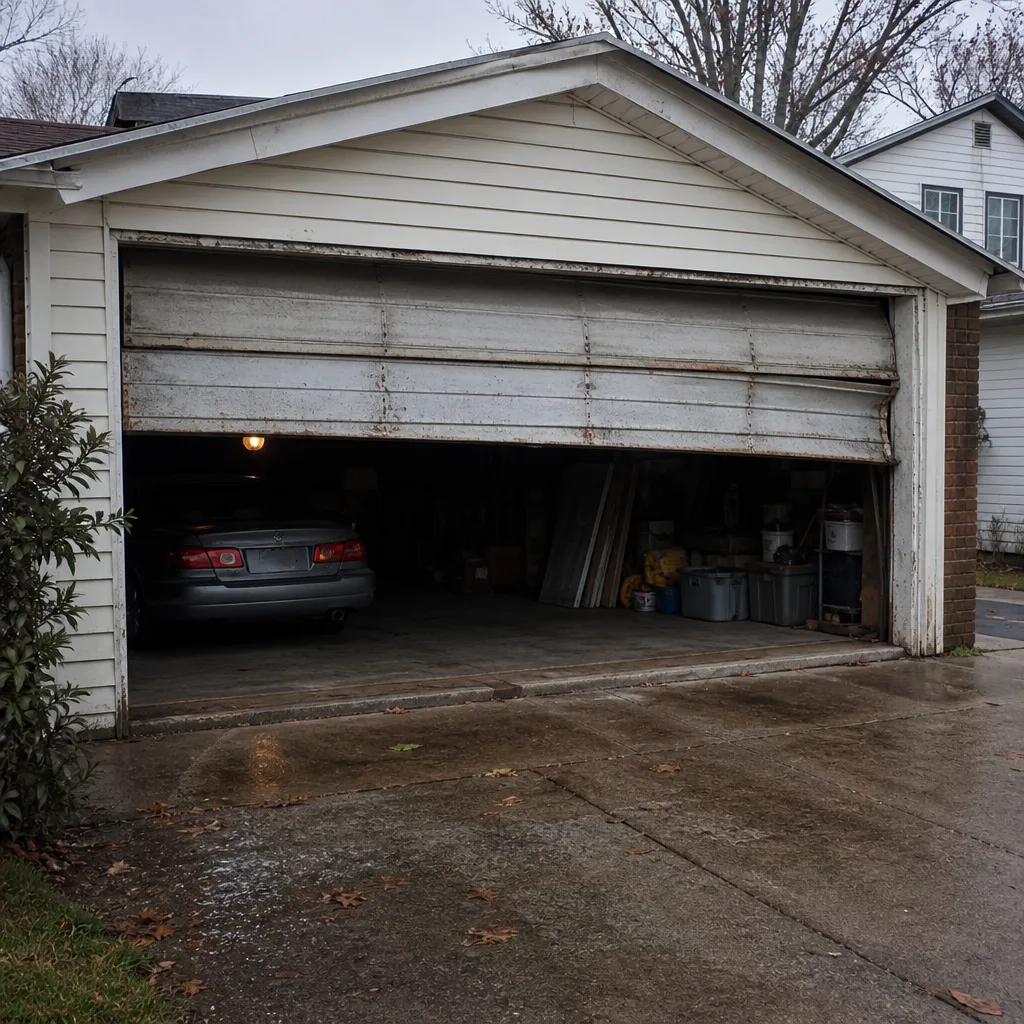 Before
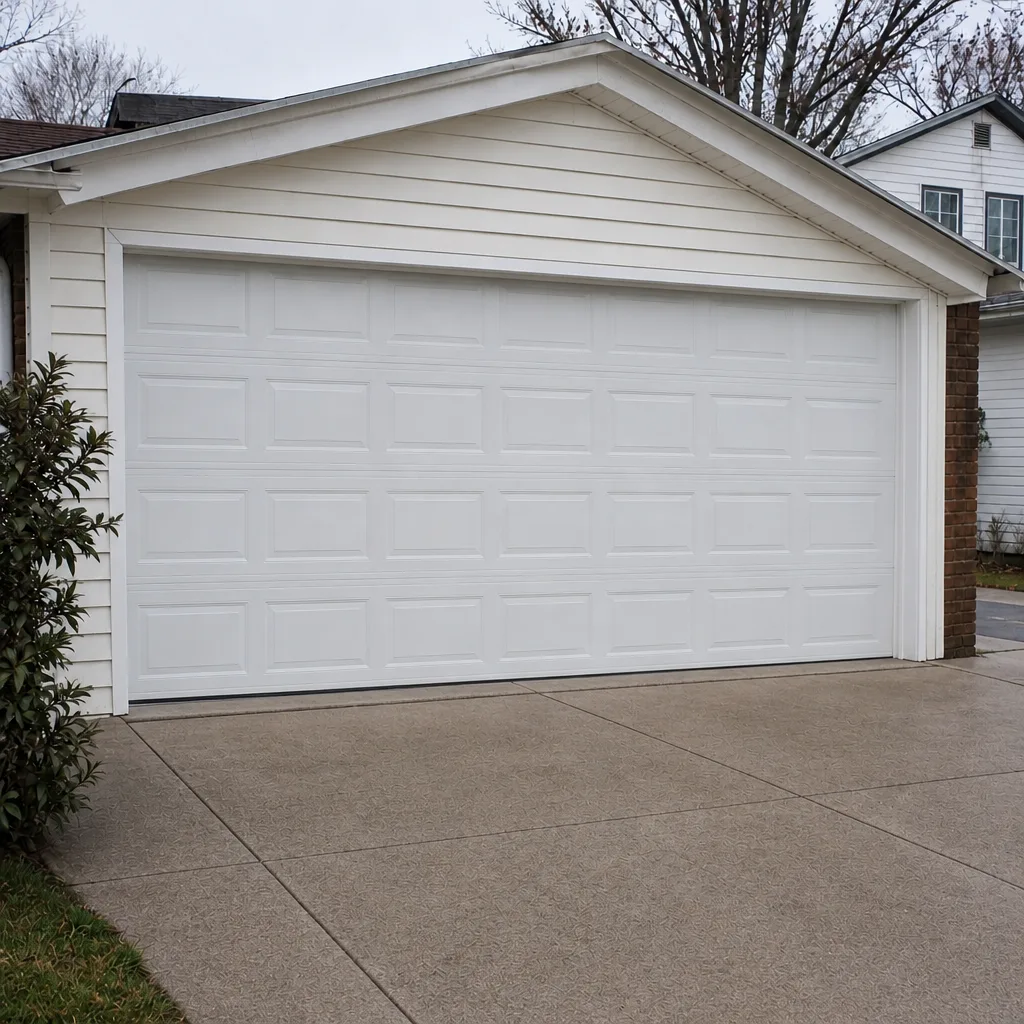 After
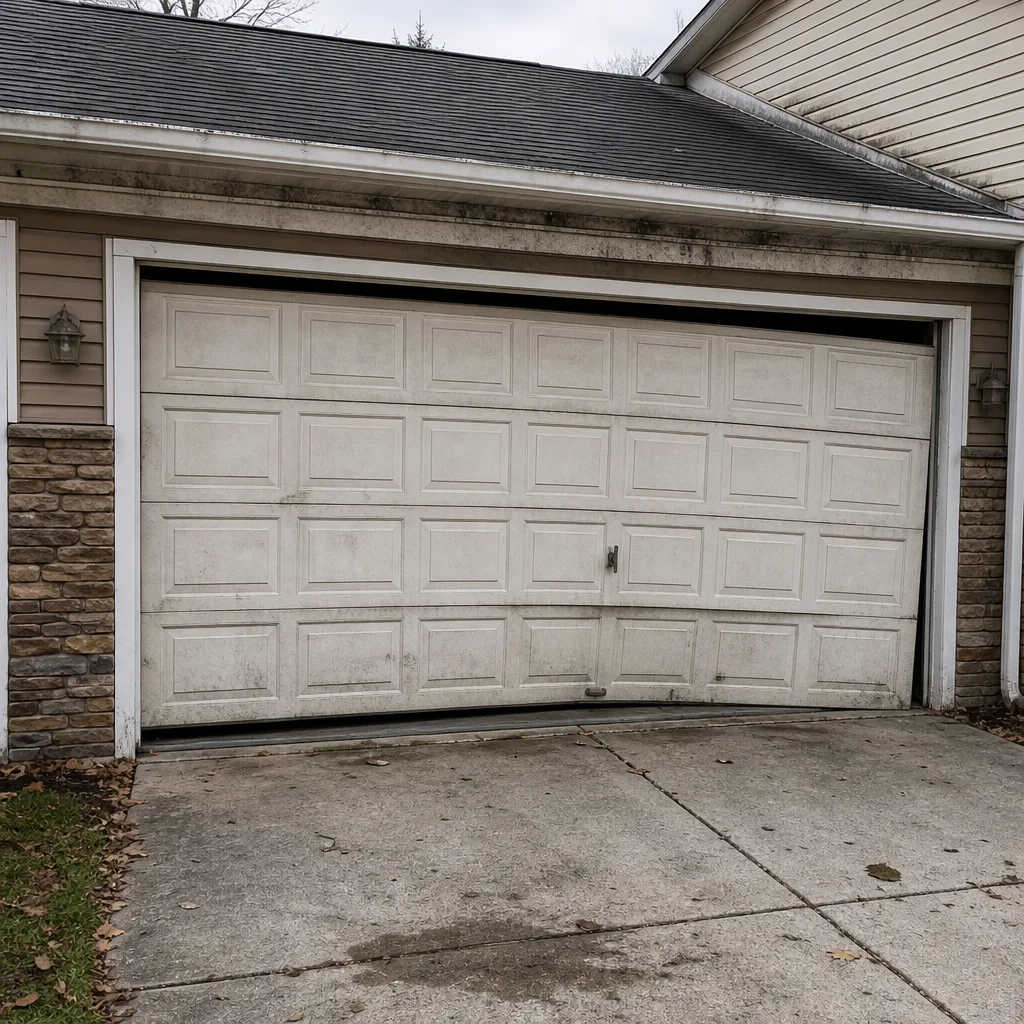 Before
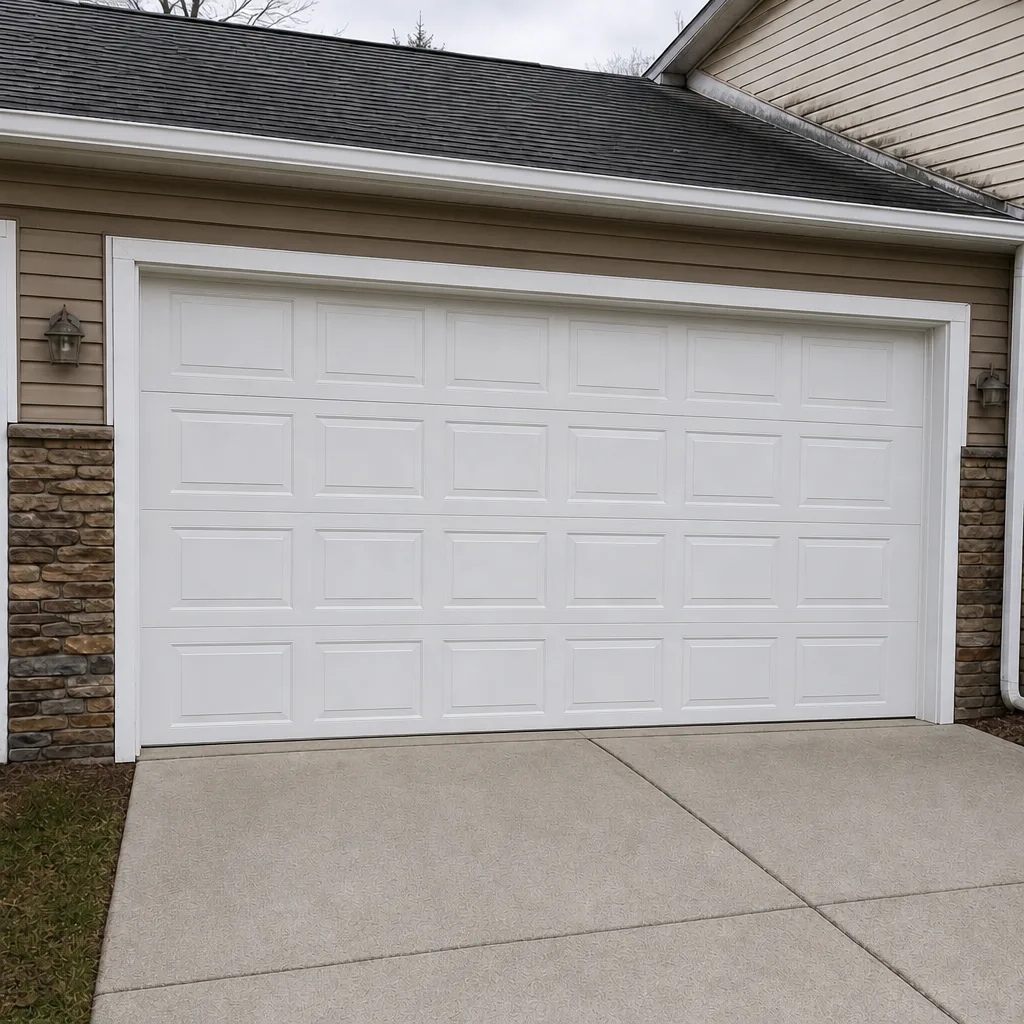 After
When to Call a Professional
Some garage door problems are obvious: a snapped spring, a door hanging off its tracks, an opener that runs but doesn’t lift. Others are quieter, like a door that binds in one corner or a bottom seal that’s pulling loose. Both kinds are worth a call, and the quiet ones are often cheaper to fix before they become loud ones.
Garage door springs and cables are under extreme tension and are genuinely dangerous to work on without the right tools and training. We don’t recommend DIY on that part of the door, no matter how straightforward a video makes it look. The same goes for any electrical work inside an opener housing or a wall control.
For permits, a replacement, or an install where the opening needs to change, we’ll tell you clearly what we can handle and what needs a permit and inspection from your municipality. Lawrenceville Garage Door Repair Pros offers free estimates in Lawrenceville. Call (866) 984-8670. We answer 24/7. Fast dispatch from 7am to 7pm, Sunday through Friday. The written estimate sets the final price before any work starts.
Frequently Asked Questions
In many Lawrenceville and Lawrence County municipalities, a garage door replacement that changes the opening, header, or framing does require a permit, while a simple swap that reuses the existing opening may not. The rules are set by your specific municipality, so call the local building department with your property address before work begins. If you’re not sure which office handles your property, we’re happy to point you toward the right one when you call (866) 984-8670.
No, a spring replacement is treated as a repair and does not require a permit in Pennsylvania. Springs, cables, rollers, and opener repairs all fall outside the permit question because they don’t change the structure or the opening. The work is mechanical and safety-critical, so it should be done by a trained technician, but there’s no paperwork involved. Call (866) 984-8670 for a free estimate on the repair.
The difference comes down to scope, not cost. A repair restores the door’s existing components (springs, cables, rollers, panels) without changing the structure or the opening. A replacement that changes the width, height, or framing of the opening is generally what triggers a permit. A door of the exact same size and spec swapped into the existing opening sits in a gray zone that your municipality decides. Call your building department to confirm, and call (866) 984-8670 for a free estimate either way.
Yes, an attached garage generally requires a fire separation between the garage and the living space, and any door in that separation needs to be fire-rated and properly labeled. The label, the frame, the closer, and the self-closing hardware are all part of the assembly, so a standard interior door won’t pass. If you’re planning work that touches that wall or door, ask us before you buy anything. Call (866) 984-8670 for a free estimate.
Unpermitted work often surfaces during the buyer’s home inspection or the title search, and it can delay or complicate the closing. The usual resolution is a retroactive permit, inspection, and any corrective work, which can add weeks and real cost. Pulling the permit up front is far cheaper than fixing it after the fact. If you’re buying, request the permit history for any newer-looking door, and call (866) 984-8670 if you want us to look at it with you.
Yes. A repair (springs, openers, cables, off-track doors, panel replacement) doesn’t need a permit, so we can get you back in operation today without waiting on municipal paperwork. If your job turns out to be a replacement that requires a permit, we’ll walk you through the process and schedule the work around it. Call (866) 984-8670. We answer 24/7. Fast dispatch from 7am to 7pm, Sunday through Friday.
The Bottom Line
The permit question for garage door work in Lawrenceville comes down to one word: scope. A repair doesn’t need a permit. A replacement that changes the opening, framing, or header usually does, and the rules sit at the municipal level even though Pennsylvania sets the statewide baseline. Fire-rated doors on an attached garage are their own code story, and skipping the label or the frame is a real problem at inspection. The practical path is to call your municipality’s building department before work starts, hire a garage door specialist who knows the difference, and keep the permit, the sign-off, and the spec sheet with your home records. That’s the whole game.
If you’re in Lawrenceville and need a repair, a replacement, or a straight answer on whether your job needs a permit, we’re ready to help. Call (866) 984-8670 for a free estimate. We answer 24/7. Fast dispatch from 7am to 7pm, Sunday through Friday. The written estimate sets the final price before any work starts.
Written by the team at Lawrenceville Garage Door Repair Pros.