
Last updated November 21, 2026
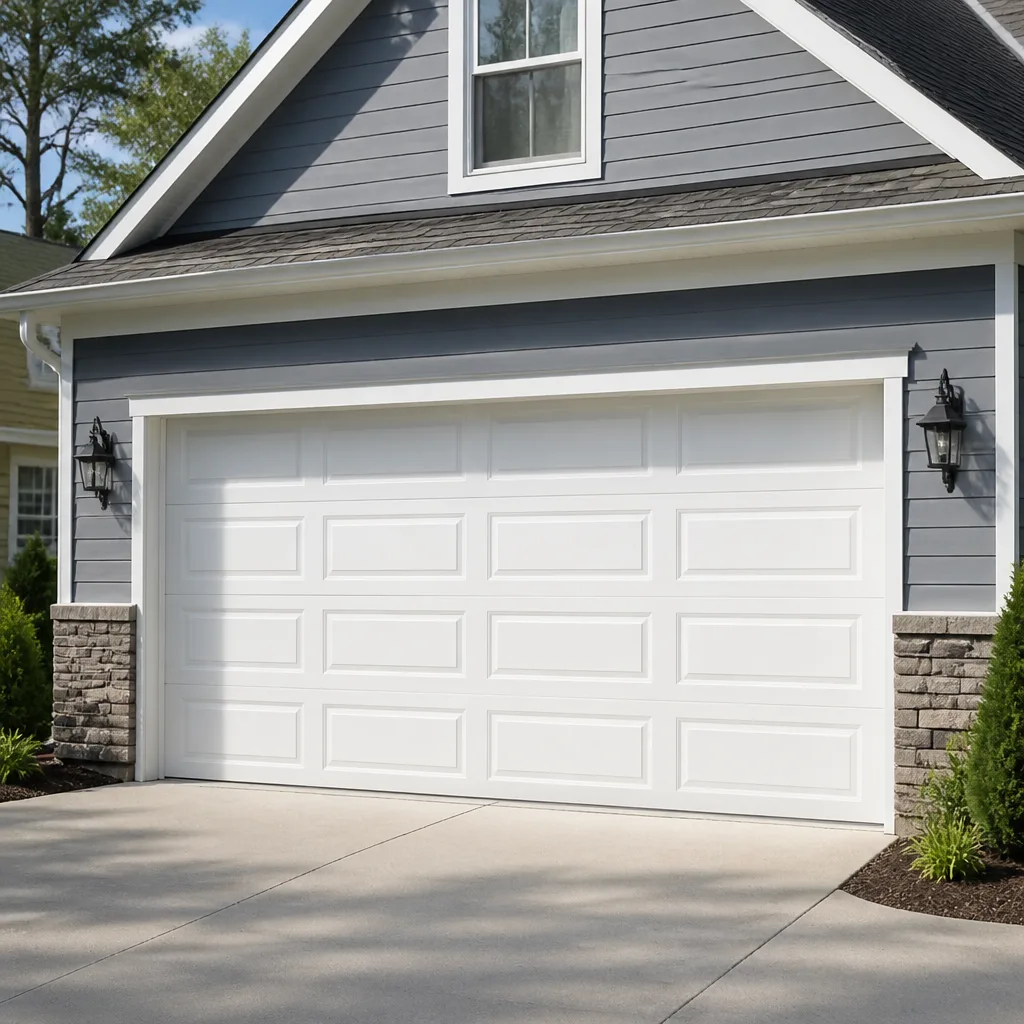 Raised-panel steel
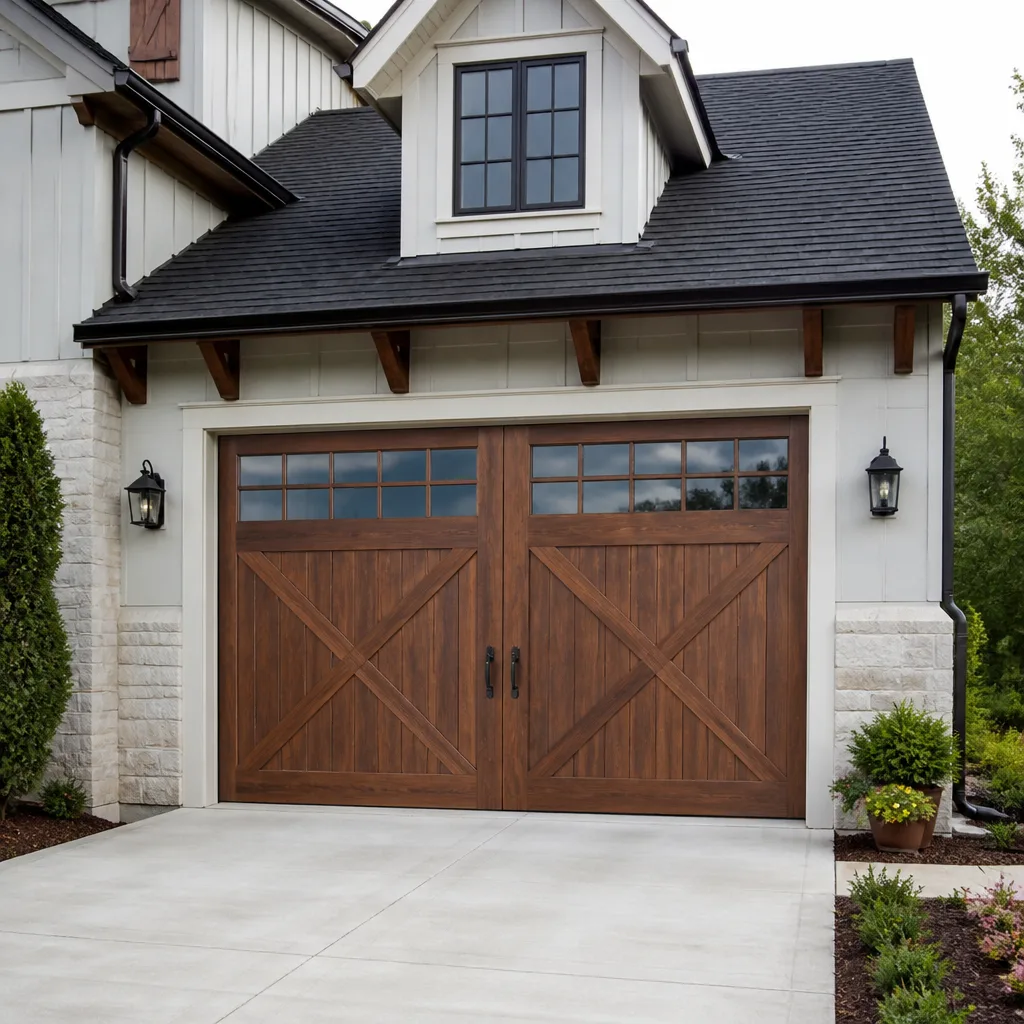 Carriage house
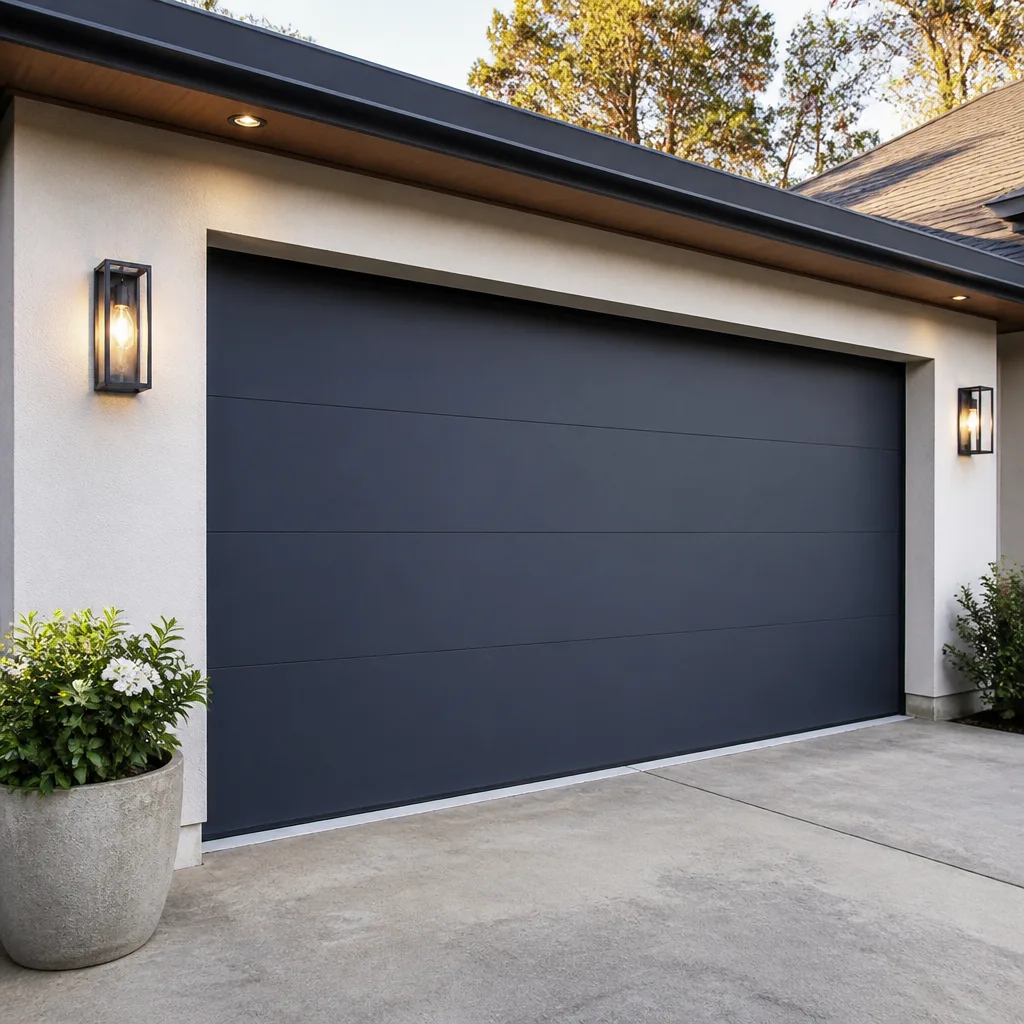 Modern flush
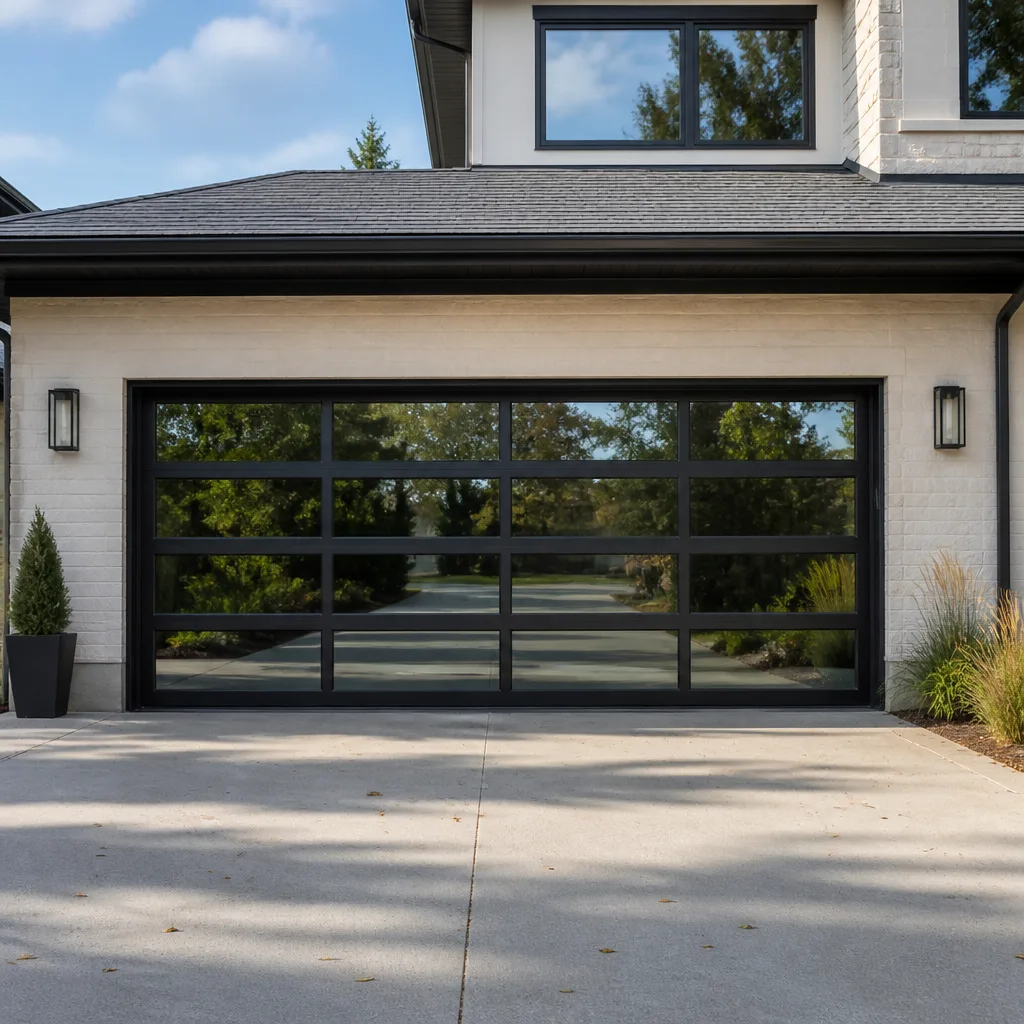 Full-view glass
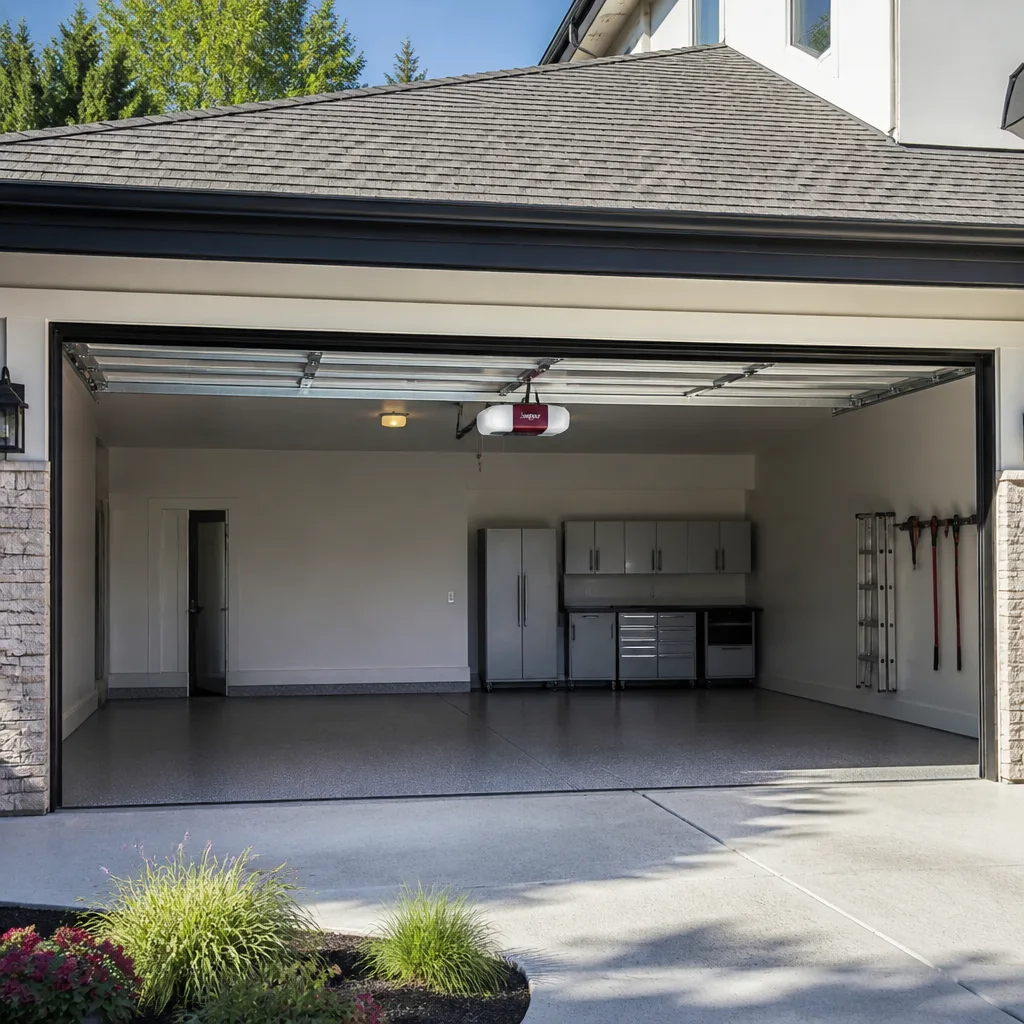 LiftMaster openers
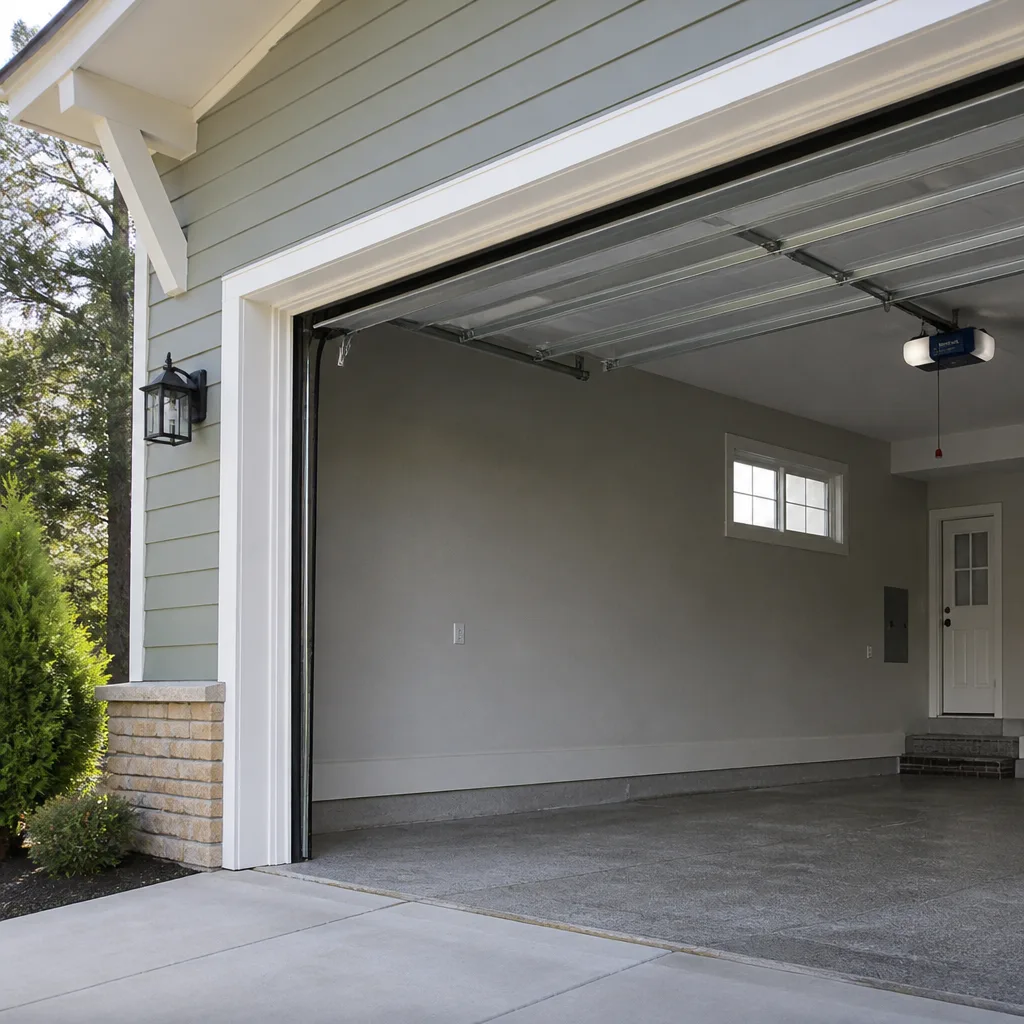 Chamberlain openers
Full 25-point door and opener safety check with every visit - springs, cables, rollers, tracks, and your LiftMaster or Chamberlain opener included
You get a price before we start. It does not change when the pro arrives.
Get your free estimateGarage Door Warning Signs: A Lawrenceville Homeowner’s Reference Guide
Most garage doors don’t fail without warning. They telegraph the failure first, usually for weeks, and the signals are specific enough to identify if you know what you’re listening for. The trap most Lawrenceville homeowners fall into is filing those signals under “quirks.” A door that hesitates two seconds before it moves isn’t warming up to the weather. The opener that runs a beat longer than it used to isn’t “getting old.” Those are symptoms of tension loss and mechanical strain, and they’re the window in which a scheduled repair stays inexpensive. This guide teaches you to read the signals accurately, why the sound matters as much as the sight, and how to sort what you’re hearing into two buckets: schedule it this week, or stop using the door today.
Quick Answer
A garage door that hesitates before moving, opens unevenly, rattles from one specific spot, reverses on its own, or has visibly worn rollers and hinges is signaling an impending failure. Treat any hesitation or uneven movement as a sign to stop using the door and get it looked at promptly, because a spring or cable that fails under tension turns a scheduled repair into an emergency. Most warning signs appear days to weeks before a door stops working, which is exactly why catching them early keeps the repair simpler and the cost lower.
Styles & brands we work with
- Raised-panel steel
- Carriage house
- Modern flush
- Full-view glass
- LiftMaster openers
- Chamberlain openers
Table of Contents
- What the Sound Is Telling You: Three Failure Signatures
- Why an Uneven Door Points to Cables, Not Springs
- Reading Opener Strain as a Mechanical Symptom
- Visual Wear Indicators You Can Spot Without a Sound Cue
- The Urgency Tiers: This Week vs. Stop Using It Today
- What Lawrenceville Conditions Do to Garage Door Hardware
- Reading Warning Signs Across Genie, Clopay, Amarr, and Wayne Dalton Systems
- Seasonal Checks That Catch Failure Early
What the Sound Is Telling You: Three Failure Signatures
Garage door sounds are not interchangeable. A trained ear can separate a cable problem from a spring problem from a roller problem over the phone, and so can you once you know what each failure actually sounds like. The key is that each noise has a distinct source, location, and rhythm. Three signatures cover the majority of what Lawrenceville homeowners describe when they call.
1. The sharp, single bang at the start of travel
A load bang just as the door begins to lift usually means a torsion spring has lost tension or one of a pair has snapped. On a sectional door, the springs do the heavy lifting, and when the tension drops unevenly, the first movement carries a jolt. A single loud crack that stops the door mid-travel is often the sound of a torsion spring failing outright. If you hear that, stop and don’t run the door. Springs are the highest-tension component on the whole system and the most dangerous component to work on. Replacement requires a trained professional with the right rods and technique. It is not a homeowner repair, and no amount of online guidance makes it safe.
2. The grinding or scraping that follows the door
A sound that starts low and builds as the door rolls, more of a grind than a bang, tends to point to a cable that’s jumped a drum or frayed against the side track. It’s a continuous noise, not a single impact, and it often gets worse the higher the door travels. A cable is under tension and will whip if it unwinds, so this signature also earns a stop-and-call. Don’t run the door to “see if it clears.” It won’t.
3. The rhythmic click or squeal from the tracks
A repeating click, squeal, or rattle that tracks with the door’s travel is usually a roller or hinge. It’s mechanical, it’s on a schedule, and it rarely means immediate danger. Worn rollers with flat spots and dry hinges both announce themselves this way. These are among the most fixable warning signs on the list, and the ones most often ignored until a roller seizes and the door comes off track. If you hear a rhythm that wasn’t there before, write it down and get it checked during a scheduled visit.
Why an Uneven Door Points to Cables, Not Springs
When a door rises with one side higher than the other, most homeowners assume spring trouble. In our experience, an uneven lift is usually a cable or drum issue, not a spring issue. That distinction matters because it changes both the diagnosis and the repair. A spring problem tends to affect the whole door’s lifting power. A cable problem affects one side. If you let it run, the geometry gets worse fast.
Here’s the mechanic’s-eye version. On a standard torsion setup, one cable runs from each bottom bracket up to a drum at the end of the shaft. If a cable slips off its drum, frays, or begins to wrap unevenly, one side of the door carries less lift than the other. That side dips. The bottom bracket and the cable end on that side are now taking a load they weren’t designed for, and the door angle is pulling on the tracks. A drum that’s worn or has a loose set screw can produce the same symptom.
What you’ll notice before the door looks visibly crooked:
- One corner of the door appears a fraction low when fully closed.
- The door binds or scrapes on one side track earlier than the other.
- A gap appears under one corner that wasn’t there before.
- The opener strains on one side of its travel more than the other.
- A rhythmic scrape or click that only happens on the way up or only on the way down.
The repair distinction matters. A spring issue usually means a matched pair replacement because one spring wearing means its partner isn’t far behind, and they’re replaced together to keep the load balanced. A cable or drum issue is side-specific and is often addressable without touching the springs, but it needs to be handled before the door goes off track. On a larger, heavier door – a two-car width on a Clopay or Amarr system, for example – an uneven lift puts more stress on the tracks and hinges than on a single-car door, so the symptoms show up faster. If you’re seeing an uneven door in Lawrenceville, get it assessed before you run it again; the difference between a cable fix and a rebuilt door is often one more cycle.
Reading Opener Strain as a Mechanical Symptom
An opener that suddenly works harder is usually announcing a door problem, not an opener problem. The motor is the messenger. Two symptoms dominate: the motor running noticeably longer than it used to, and the door reversing on its own partway through travel. Both tend to get blamed on the opener when the actual cause is friction, binding, or tension loss in the door’s moving parts.
The motor runs longer than it should
Openers are designed to move a balanced door with modest effort. When the door’s balance drifts – because springs have lost some tension, or because rollers and hinges are dragging – the motor has to do more of the work. You hear it as a motor that hums longer, sounds louder, or labors through the last bit of travel. If you’ve noticed that change over a few weeks, the door is asking for attention. A Door in balance doesn’t fight the opener. A door that’s drifting out of balance does.
The door reverses unexpectedly
Modern openers – LiftMaster and Chamberlain units among them – use safety reversal systems and force settings that react when they meet resistance. A door that reverses partway down is often saying “I met resistance I wasn’t expecting.” That resistance could be a track that’s out of alignment, a roller that’s binding, or an obstruction the sensors are catching. A door that reverses *on the way up* is more often a sign of binding or a balance problem. Either way, don’t just turn the force setting up to push through it. Raising the force masks the symptom and lets a misaligned or unbalanced door keep running. The correct diagnosis is to find what’s resisting, not to overdrive it.
On a Genie or Wayne Dalton opener, the same logic applies. The motor is a mechanical component with a job, and its job gets harder when the door isn’t right. If your opener is straining, the right call is to have the door and its hardware checked. Garage door opener repair begins with confirming the opener itself is fine and the door is the actual source of the strain. That’s how we approach it in Lawrenceville: fix the cause, not the symptom.
Visual Wear Indicators You Can Spot Without a Sound Cue
Not every failure announces itself with a sound. Some of the most important warning signs are silent and visual, and you can catch them on a slow walk around the door with a flashlight in about five minutes. These are the components that wear gradually and fail suddenly, and they’re best caught on a quiet afternoon rather than mid-repair.
Rollers
Rollers sit in the tracks at the edges of each panel. A healthy nylon roller rolls smoothly and has a true round shape. A worn one may have flat spots, a cracked or chipped housing, or a bearing that’s seized. Seized rollers are one of the leading causes of a door coming off track, because they stop rolling and start dragging. Check each roller housing for cracks and spin the roller by hand; if it doesn’t turn freely, that’s a signal.
Hinges
Hinges connect the panels on a sectional door. Look for loose screws, worn hinge knuckles, or a hinge that’s visibly gapping. A hinge that’s loosening throws the panel alignment off over time and puts strain on the rollers and tracks. Hinges are inexpensive to replace and expensive to ignore.
Bottom brackets and cables
The bottom brackets are the most heavily loaded part of the door on a torsion system, and the cables run through them. Visually, look for frayed cable strands (a cable that’s lost its tight twist), a worn bracket eye, or a cable that sits loose against the drum. Do not reach into or work on the cable, drum, or spring assembly. Those parts are under tension and can cause serious injury if they release unexpectedly. Visual inspection only, from a safe distance, with the door closed. If you see anything that looks worn there, stop and call. The bottom brackets and cables are exactly the components that turn a scheduled repair into an emergency one.
Track and weather seal
Run a hand along the tracks with the door open and feel for dents or burring. Look at the weather seal on the bottom of the door for cracks or compression loss. A worn seal lets in drafts, water, and pests, and it can signal a door that’s been running out of alignment.
The Urgency Tiers: This Week vs. Stop Using It Today
Sorting warning signs into urgency tiers is the single most useful skill this guide can give you. Every sign on the list below falls into one of two buckets, and the difference between the buckets is whether the component holds stored energy. Springs and cables store serious tension. Rollers, hinges, weather seal, and opener behavior are generally on a tighten-it-up timeline. Here’s the breakdown.
Stop using the door today, call for help
- A loud bang followed by a door that won’t lift. This is a spring failure signature. Do not run the opener.
- A visibly frayed or slack cable. A cable under tension can release without warning. Keep the door closed and hands off.
- A door that’s off its tracks. Running the opener will bend tracks and panels; the door can come down unexpectedly.
- A door that reverses unpredictably or won’t stay up. A door that drops on a person or a car is the nightmare scenario.
- A broken or loose bottom bracket or a spring that looks wrong. Any visible damage in the tension assembly is stop-and-call.
- A grinding that worsens with height. A cable dragging on the drum can bind the door mid-travel.
Schedule something this week
- Hesitation before the door starts to move. The door is telling you the balance has drifted. It won’t fix itself.
- An uneven lift, or one side of the door lagging. With cables, this tends to get worse quickly, so get it looked at promptly rather than banking on a long runway.
- Roller clicking or squealing. Seized rollers lead to off-track doors.
- A motor that runs noticeably longer or louder. The opener is working harder against the door.
- Loose hinges and worn weather seal. Low risk of sudden failure, but worth a service visit.
- Periodic rattle from a specific spot. Usually rollers or hinges, and worth a look before it becomes bigger.
When in doubt, lean toward the more cautious tier. A door under tension that’s showing any sign of wear deserves a qualified look, and the cost of an assessment is always less than the cost of a door that comes down unexpectedly. The whole point of catching warning signs early is that you get to choose which tier you’re in. If you’re unsure which tier your door is in, describe what it’s doing and when you hear it, and a garage door specialist can often sort it into a tier from the description alone.
What Lawrenceville Conditions Do to Garage Door Hardware
Garage doors in Lawrenceville live through four distinct seasons, and each one stresses the door differently. Western Pennsylvania winters bring freeze-thaw cycles and heavy snow loads, and the metal of a garage door expands and contracts with the temperature swings. That cycling works on hinges, rollers, and set screws. A set screw that’s good in July can work itself loose by February. Spring temperatures and wet weather pull moisture into tracks and onto rollers, which is when a dry bearing starts clicking. Summer humidity softens and warps some weather seals and swells wood-framed openings, which can throw a door slightly out of alignment against its tracks.
Lawrenceville’s older housing stock matters too. Some homes around the neighborhood have garages built when openings were a different size than today’s standards, and the doors on those garages are often original or semi-original. A door that’s been on the house through decades of seasons will have a different wear pattern than a newer door on a newer build. On older doors, the visual checks matter more than the sound checks, because original hardware can fail without announcing itself as loudly as newer components that are tuned tighter.
The practical takeaway for a Lawrenceville homeowner: check the hard-to-see components – rollers, hinges, cables, bottom brackets – at the change of each season. That’s once in early fall before the cold settles in, once in early spring once the freeze-thaw cycle lets up, and once at the start of summer. Three quick walks around the door a year catch most of the wear that turns into a failure. The transitions are when the door is under the most change, so that’s when the visual checks earn their keep. If something looks off at any point, don’t wait for the next seasonal check – call it in.
Reading Warning Signs Across Genie, Clopay, Amarr, and Wayne Dalton Systems
Every major residential garage door brand has its own design language, and knowing the brand helps you read the warning signs. The signals are the same category – hesitation, uneven lift, sound, visual wear – but the component that causes them and the part you’d replace differ by system. That’s why “we work on your brand” is a real diagnostic advantage, not a slogan.
- Genie openers have their own force and travel settings and a different logic for reversal than LiftMaster or Chamberlain. A Genie that reverses partway can be reacting to a door problem, but confirming that means knowing the specific Genie model’s behavior. Don’t assume it’s the motor and start replacing opener parts before the door has been checked.
- Clopay doors come in a wide range of panel and hardware configurations. Their hinge and roller layouts vary across model lines, so a visual check needs to compare against the right hardware spec for that door, not a generic one. A door with heavier panels puts more load on the springs and the bottom brackets.
- Amarr doors are common on Lawrenceville homes and often use their own hinge and roller positioning. The sound signature from a worn roller on an Amarr door can differ slightly from what people expect, but the fix is the same: replace the worn roller with the correct part for that model, not a universal substitute.
- Wayne Dalton doors vary widely across model lines, from standard sectional doors to torsion and extension-spring setups. The spring type matters enormously for reading warning signs, because a torsion spring failure sounds and behaves differently from an extension spring failure. Knowing which system is on the door is step one.
Across all of them, the principle holds: the right part for your specific system, selected from genuine components rather than a “close enough” substitute. A universal roller can seem like a fix and then wear unevenly because it doesn’t match the door’s original design. Our technicians have up to 10 years of experience across these brands, which means a warning sign you describe gets translated into the specific component on your door. When a door’s sign points to needing a full replacement rather than a repair, garage door installation is part of the same trade we handle, so the same crew that reads the warning signs can walk you through what a new system would look like. You don’t need a second contractor.
Seasonal Checks That Catch Failure Early
You can catch most of the warning signs in this guide with three checks done once each season. None of them involve touching a spring or a cable, and each one takes a few minutes. Here’s the routine.
- Open the door and listen. Start the door from closed and pay attention to the first second of movement. Any hesitation, bang, or grind you hear is the signal. Note where the sound comes from: the top of the door (springs), the sides (cables and drums), or the tracks (rollers and hinges).
- Watch the door rise and fall. Look at the gap under the door as it moves. One side lagging is a cable or drum signal. A door that seems to sag in the middle is a balance or track issue.
- Walk the door with a flashlight. Inspect each roller for cracks or flat spots, each hinge for looseness, and each cable for fraying or looseness. Look at the bottom brackets from a safe distance. Do not touch the cables or spring assembly.
- Run a balance test. With the door closed and the opener disconnected (following the opener’s release procedure), lift the door halfway by hand and let go. It should stay roughly where you put it. If it falls, the balance has drifted and the springs are the likely source. Once you’ve done the test, reconnect the opener cleanly before use.
- Check the sensors and the seal. Confirm the safety sensors are aligned (the opener’s indicator lights should be steady, not blinking). Check the bottom weather seal for cracks and compression loss.
Keep a simple log of what you hear and see. Not because formal records are required, but because change over time is the signal. A door that’s made a click every February for a decade is in a different category from a door that started clicking last month. When you call for service, “it hesitates about a second before it starts, and it started about three weeks ago” gives a technician far more to work with than “it’s acting weird.” That’s the difference between a scheduled repair and an emergency call.
Common Mistakes to Avoid
- Turning up the opener force to push through resistance. Raising the force setting is the most common mistake we see. It masks the symptom by making the opener drive harder against a door that’s binding or out of balance, and that accelerates wear on the tracks and hinges. Find the resistance instead.
- Greasing everything in sight. A squeak doesn’t always mean “needs grease.” Some squeaks come from a worn hinge that needs replacement, and adding grease to a seized roller just quiets the warning without fixing the cause. Match the fix to the sound.
- Assuming a noisy door is just an older door. Age doesn’t explain a new sound. A door that’s been quiet and just started grinding is telling you something changed, and the change is the signal. In Lawrenceville, a sound that appears after the first hard freeze is common, and it usually points to a set screw or hinge loosening from the temperature swing.
- Running the door “just to see if it clears.” When a spring has snapped or a cable has jumped, running the opener can bend tracks, warp panels, or bring the door down. The safest first move after a bang or a binding is the off switch, not the open button.
- Putting off a hesitation. This is the one that costs the most. A door that hesitates before moving is signaling early spring tension loss. It’s the difference between a scheduled repair and an emergency call, and scheduling is the cheaper side of that line every time.
- Using a general handyman for spring or cable work. Springs and cables store serious energy and require the right tools and technique. This is a specialized trade, and the components involved aren’t something to learn on a homeowner’s door. A single-trade specialist working on garage doors all day is the right call.
- Ignoring the visual check because the door “sounds fine.” Worn rollers and loose hinges don’t always announce themselves. The flashlight walk is the only way to catch a frayed cable or a flat-spotted roller before it becomes an off-track door.
See the difference
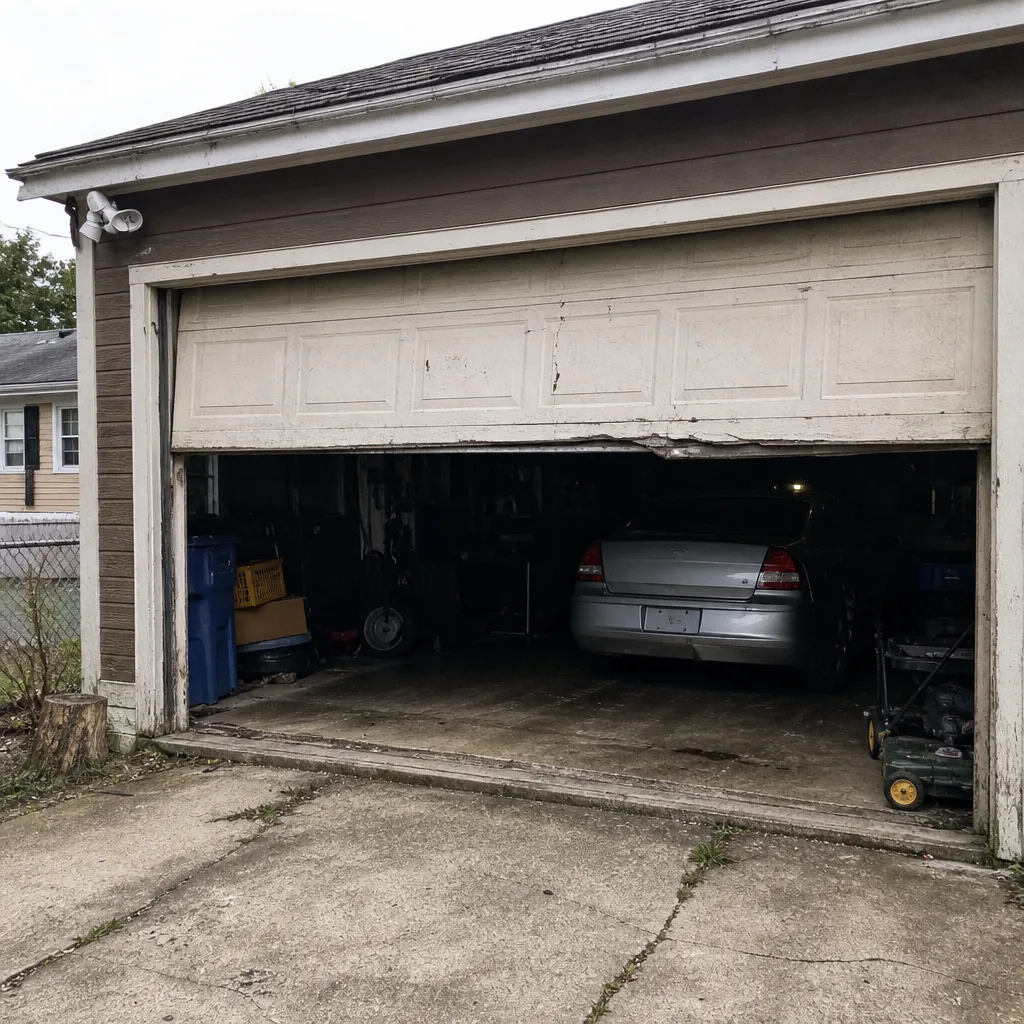 Before
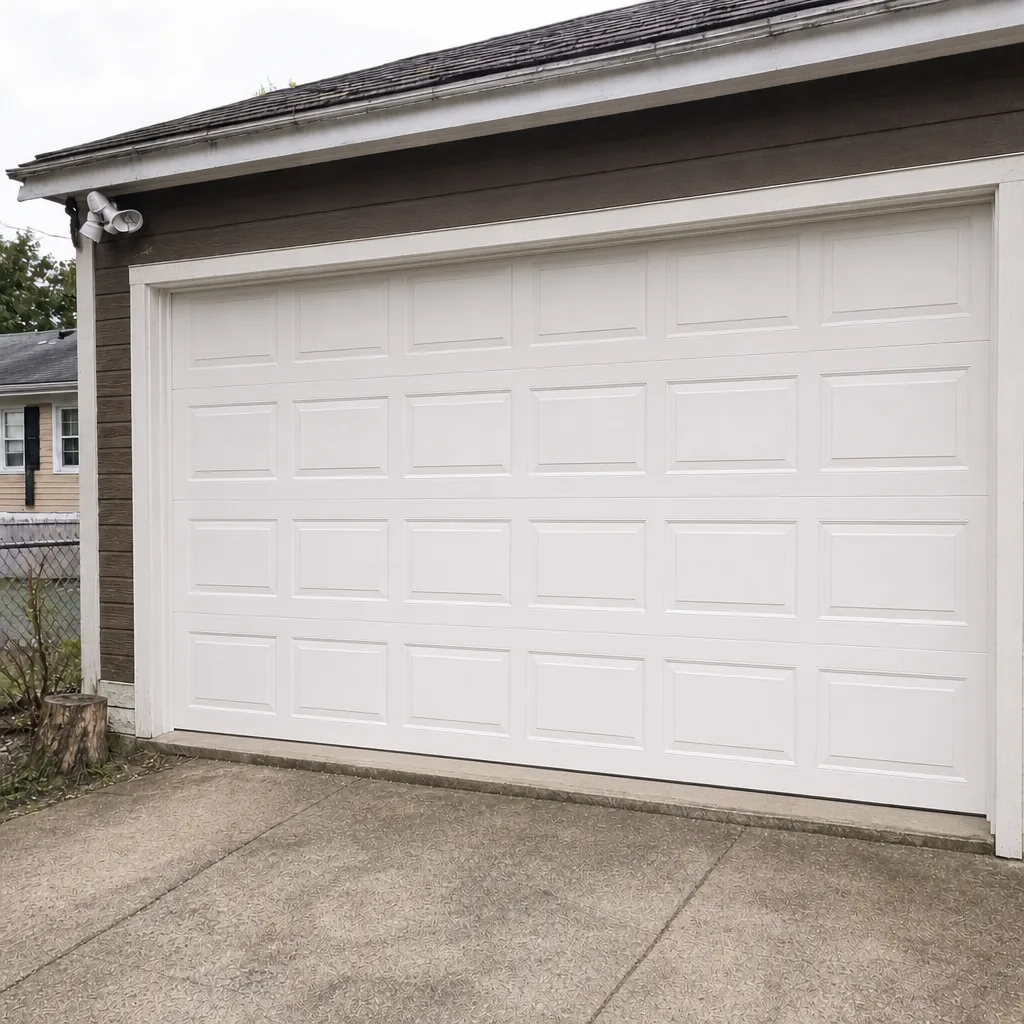 After
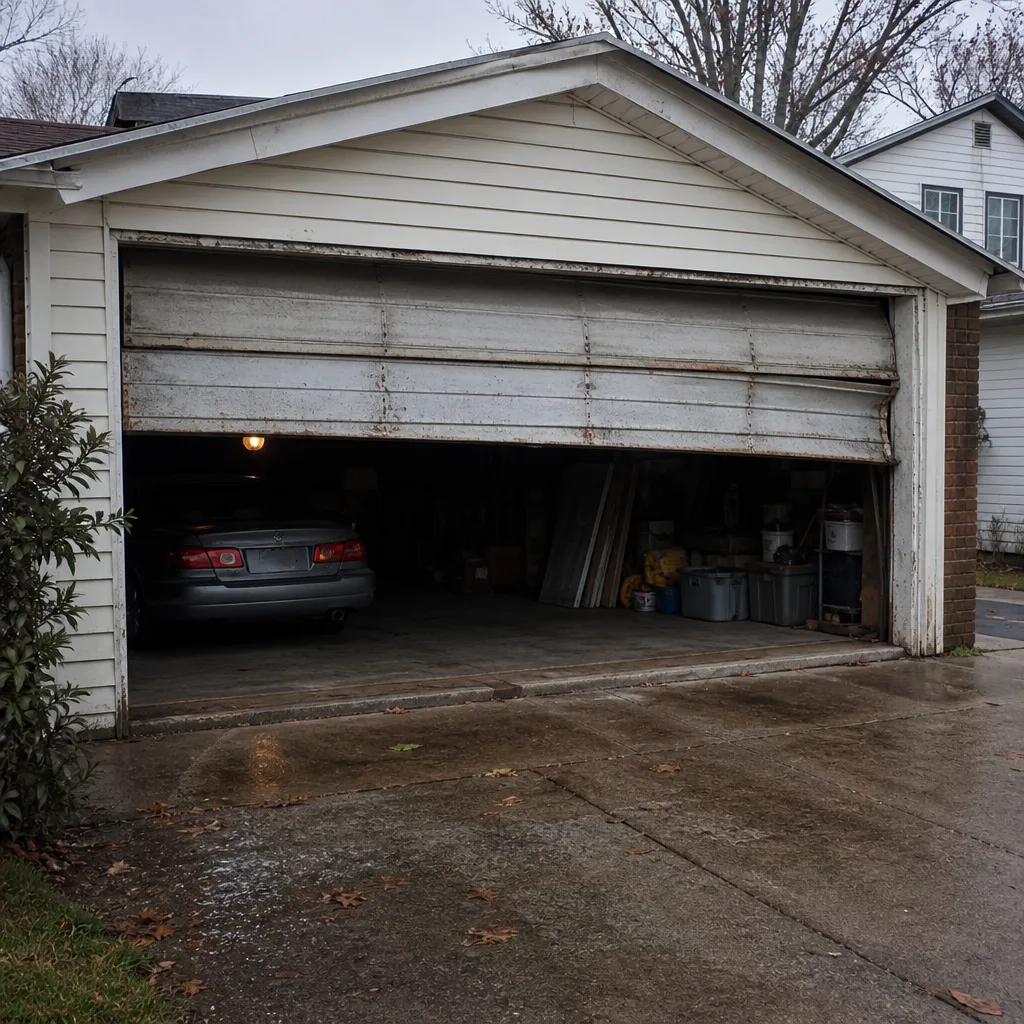 Before
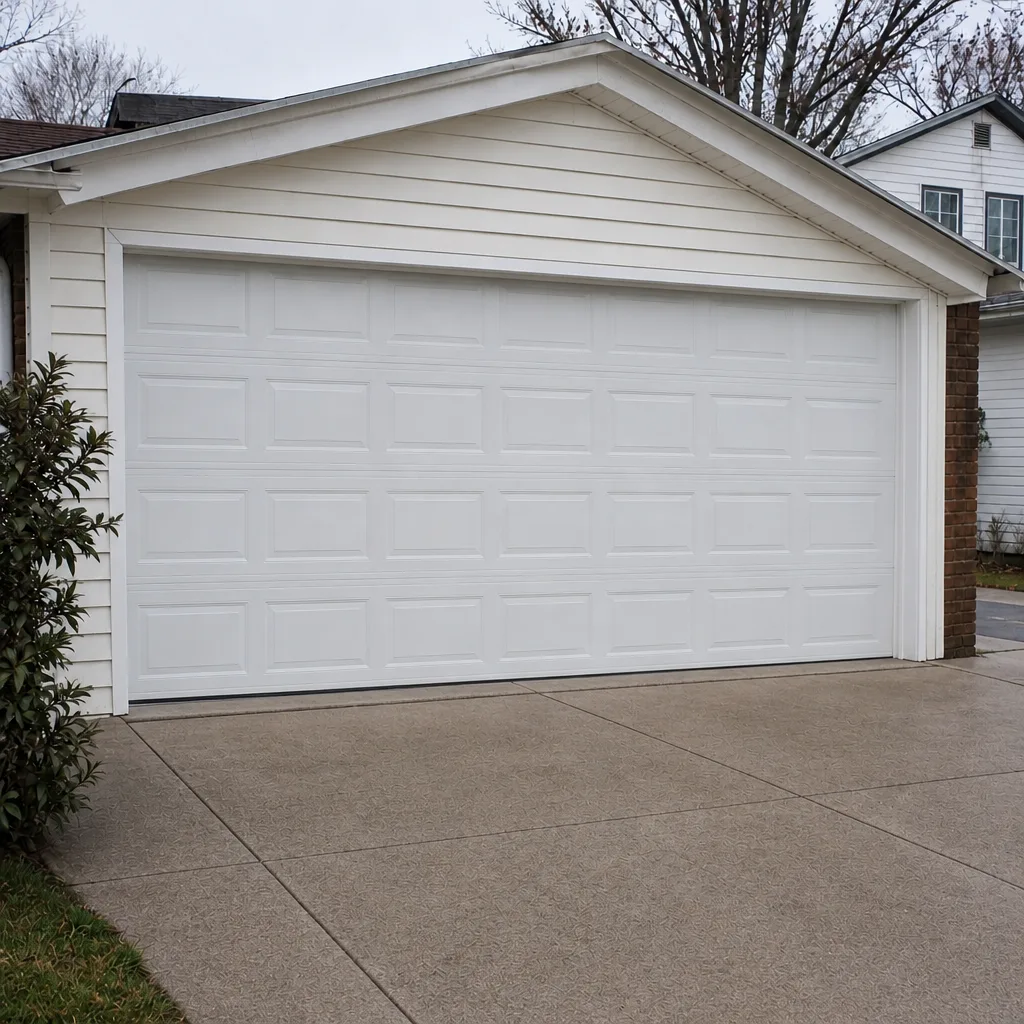 After
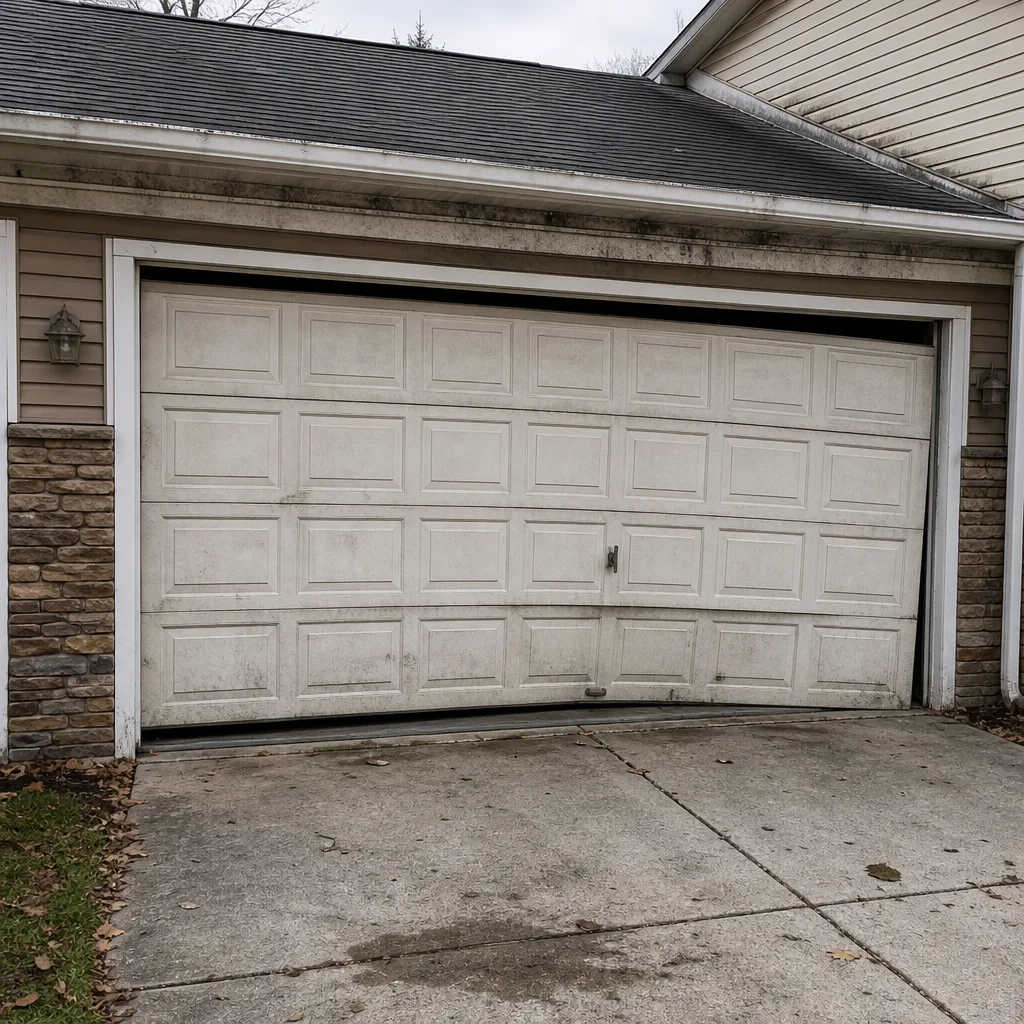 Before
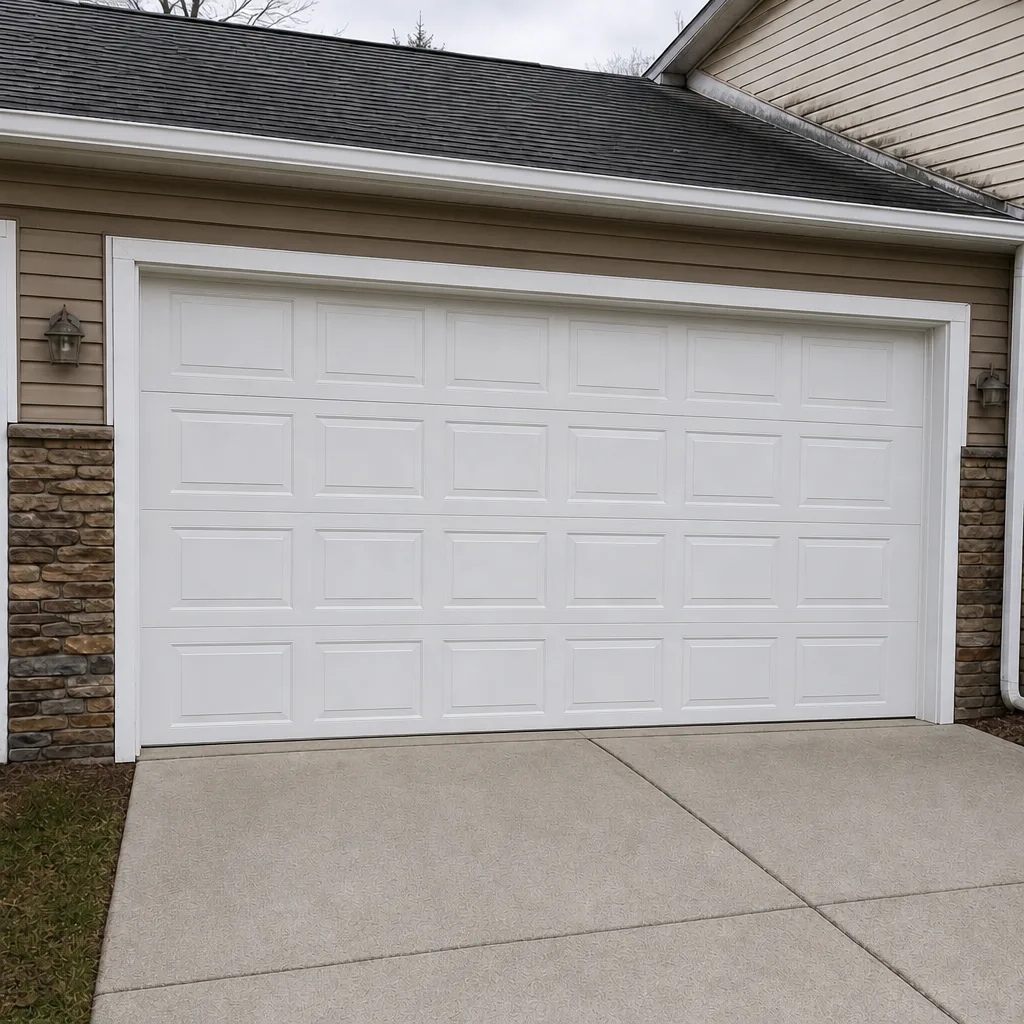 After
When to Call a Professional
Call a professional when the sign involves a spring, a cable, a drum, or the bottom brackets. Those components hold stored energy and release it violently if handled wrong. Call when the door lifts unevenly, reverses unpredictably, comes off its tracks, or stops partway. Call when you see fraying, looseness, or visible damage in the tension assembly. And call when a sound is new or getting worse, even if nothing has broken yet. If you’re not sure which tier your sign belongs to, describe it and get it sorted before you run the door again. Lawrenceville Garage Door Repair Pros offers free estimates in Lawrenceville – call (866) 984-8670. We answer 24/7, with fast dispatch from 7am to 7pm, Sunday through Friday. Our technicians have up to 10 years of experience diagnosing doors from every major brand, and the written estimate sets the price before any work begins. If you’d rather start with the broader picture of how these repairs work, our Lawrenceville garage door repair resources cover the full service picture.
Frequently Asked Questions
A hesitation before the door starts to move is the earliest reliable warning sign. The door pauses for a beat as the opener begins to lift, then catches up. That beat is the balance drifting, usually spring tension loss, and it typically shows up days to weeks before anything fails. It’s easy to dismiss as the weather; it isn’t. Call (866) 984-8670 for a free estimate and get it checked.
An uneven door usually means a cable or drum problem on one side, not a spring problem. The side that lags has a cable that’s slipped, frayed, or wrapped unevenly, so that side carries less lift. The repair is side-specific and often doesn’t involve the springs, but it needs attention before the door goes off track. Call (866) 984-8670 for a free estimate.
Yes, closely. A spring on its way out typically announces itself with a hesitation before movement, a door that’s lifting unevenly, or a low bang at the start of travel. Those signs often appear days or weeks before a spring breaks outright. Catching them on a scheduled repair keeps you off the emergency call list. Call (866) 984-8670 for a free estimate.
No, a rhythmic click or squeal from the tracks is usually a roller or hinge on a schedule, not an emergency. It’s the “schedule it this week” tier. Left alone, a seized roller or worn hinge can lead to a door coming off track, so it’s worth a look before it escalates. Call (866) 984-8670 for a free estimate.
Spring repair is priced per spring, and a matched pair is usually replaced together because they wear together, so a pair costs about twice the per-spring figure. The written estimate sets the final price before any work starts, and the estimate itself is free. Call (866) 984-8670 for an exact quote on your door.
Stop using the door and leave it closed. A loud bang followed by a door that won’t lift is almost always a spring failure, and running the opener after a spring fails can bend tracks and bring the door down. Keep hands clear of the spring and cable assembly and call a specialist. We answer 24/7 at (866) 984-8670, and any call outside dispatch hours is booked into the next opening, Sunday through Friday, 7am to 7pm.
The Bottom Line
Garage door failures rarely happen without warning. The hesitation, the uneven lift, the new sound, the worn roller – each one is a signal, and each one buys you time if you read it correctly. Sort what you’re seeing into the two tiers: springs and cables mean stop using the door today, while rollers, hinges, and opener strain mean schedule something this week. Three seasonal checks a year, done with a flashlight and a few minutes, catch most of what leads to an emergency. When you’re ready to move from warning sign to repair, garage door repair is a free-estimate call away, and the price is quoted and agreed before any work starts.
Call (866) 984-8670 for a free estimate. We answer 24/7, with fast dispatch from 7am to 7pm, Sunday through Friday. We’re garage door specialists, not generalists – springs, openers, panels, and full installations, one call covers it all. If it’s a full replacement you’re weighing, we can help with that conversation, too.
Written by the team at Lawrenceville Garage Door Repair Pros.