
Last updated November 21, 2026
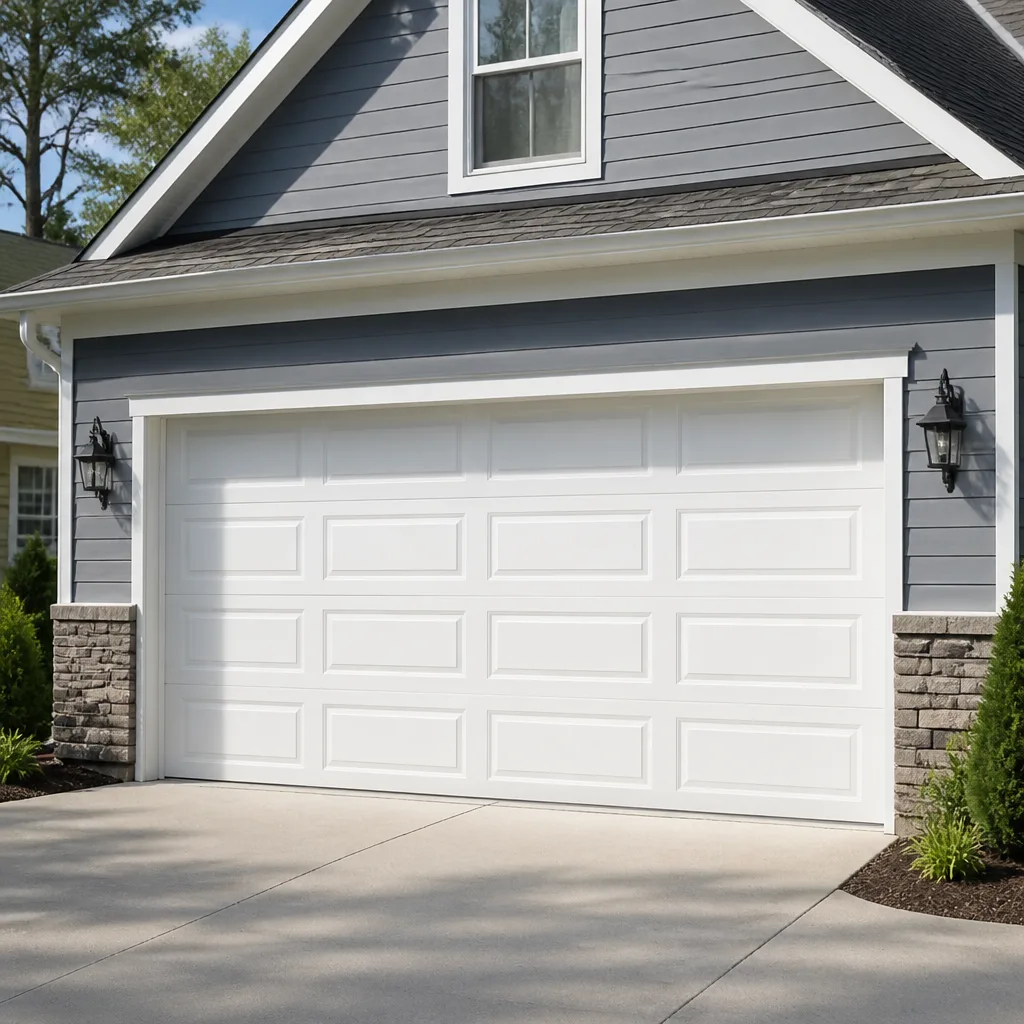 Raised-panel steel
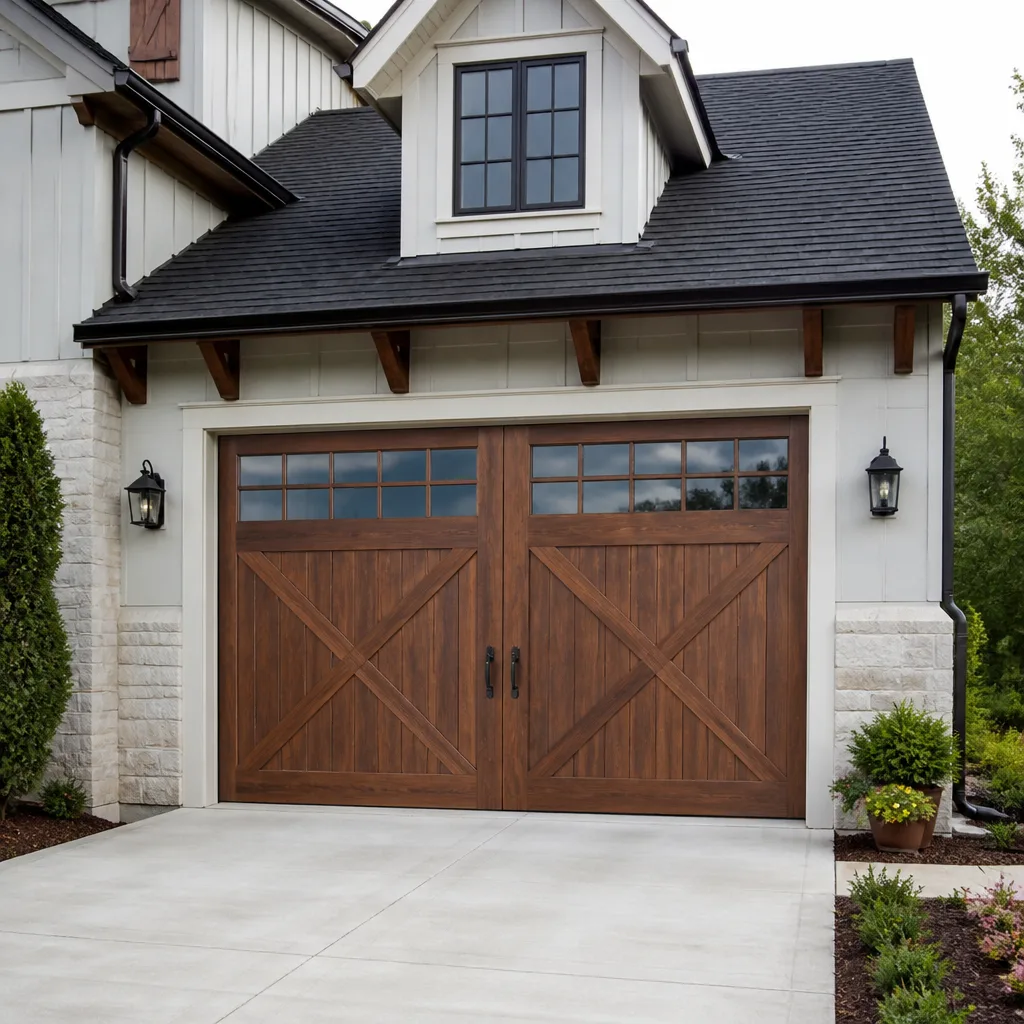 Carriage house
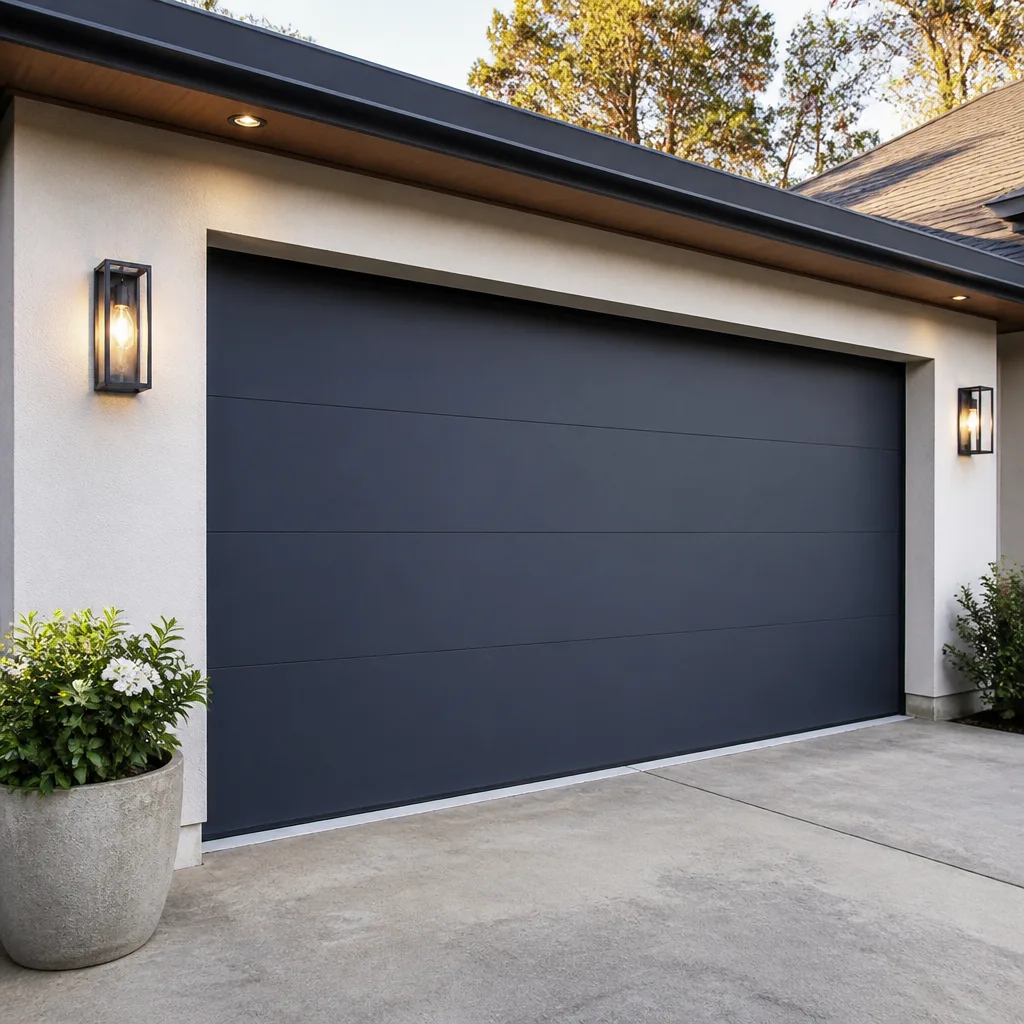 Modern flush
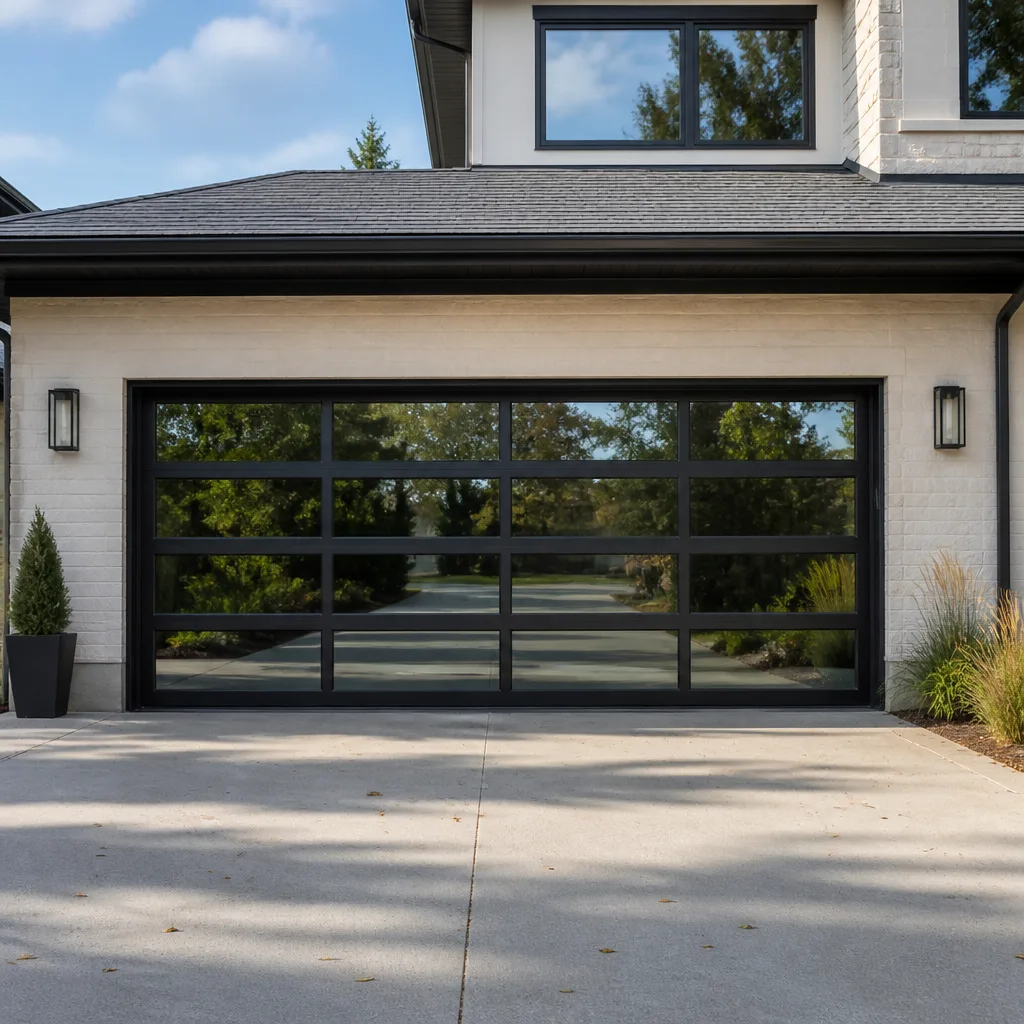 Full-view glass
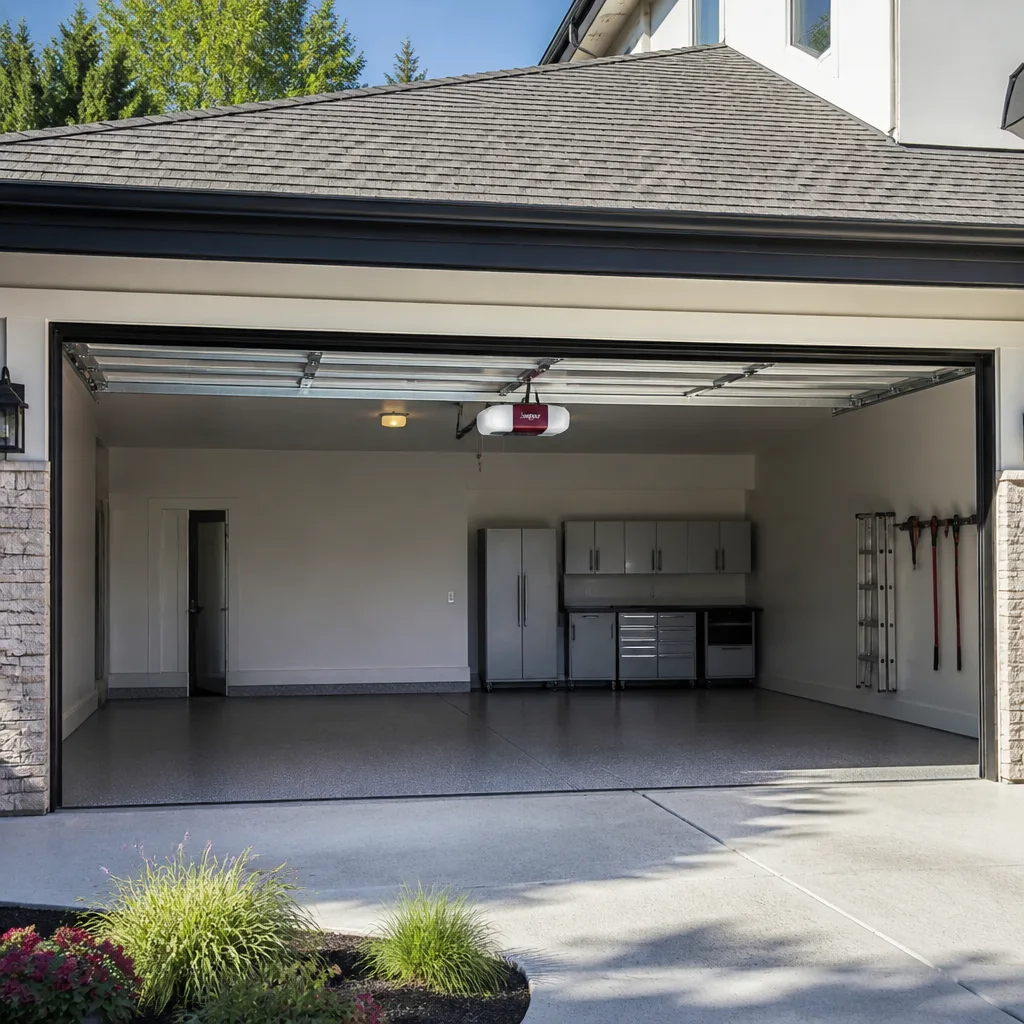 LiftMaster openers
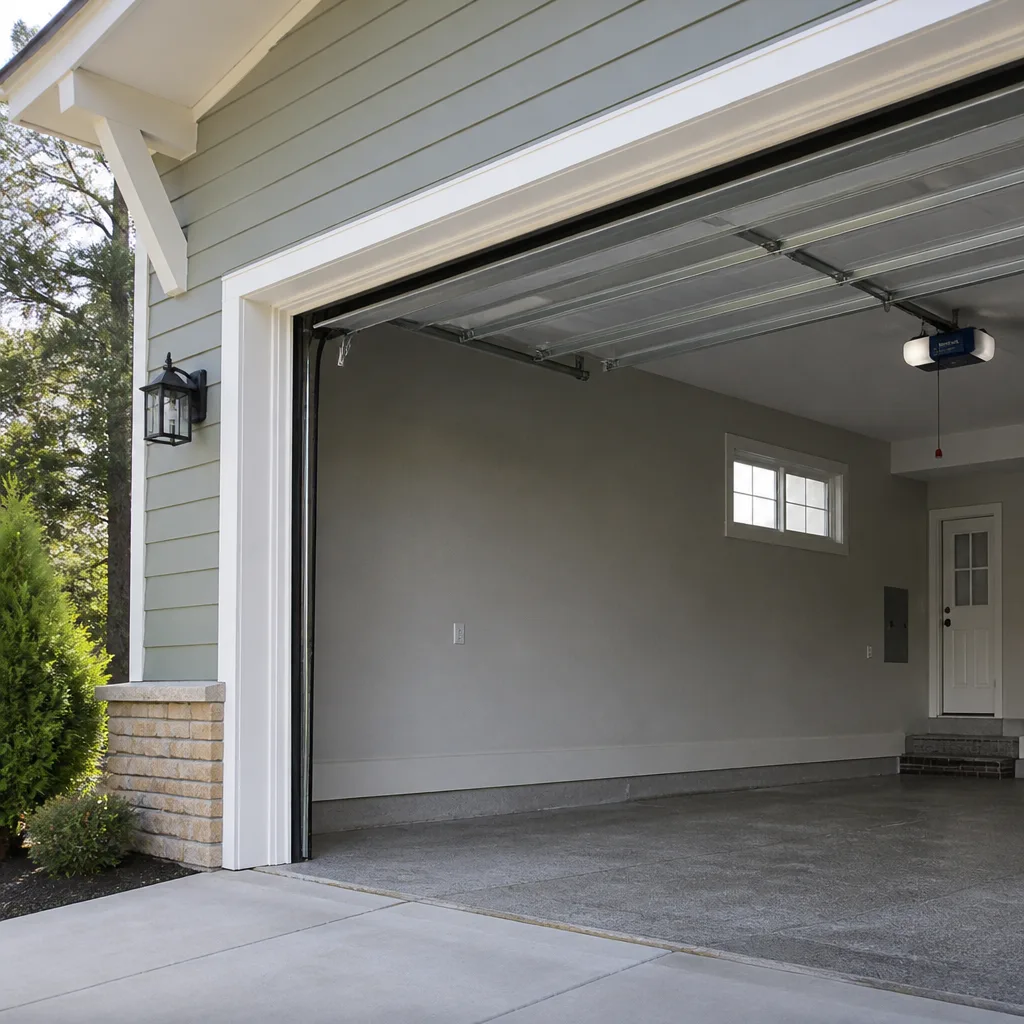 Chamberlain openers
Full 25-point door and opener safety check with every visit - springs, cables, rollers, tracks, and your LiftMaster or Chamberlain opener included
You get a price before we start. It does not change when the pro arrives.
Get your free estimateHow to Hire a Garage Door Contractor in Lawrenceville: A Step-by-Step Guide
If a contractor quotes you a torsion spring job without asking for your door’s weight and height, they aren’t guessing. They’re installing the wrong spring. It’s one of the most common callbacks in this trade, and it’s avoidable if you know what to ask before anyone touches your door. Most homeowners in Lawrenceville hire a garage door contractor once or twice in a decade, which means there’s no muscle memory to fall back on and no easy way to tell a specialist from a generalist who does doors on the side. This guide gives you the specific questions, the red flags in a written quote, and the warranty fine print that separate the two. You’ll learn what a knowledgeable answer sounds like, what to verify before booking, and how to read a quote the way a technician reads it.
Quick Answer
To hire a garage door contractor in Lawrenceville, verify that the company specializes in garage doors rather than general home repair, ask five technical questions about your specific door (weight, height, spring type, track condition, and opener model), insist on a written quote that names the parts and the labor separately, and confirm what the parts and labor warranty actually covers. A true specialist can answer the technical questions on the phone and will ask you for door measurements before quoting a spring. A generalist will quote a flat price and figure out the details on arrival.
Styles & brands we work with
- Raised-panel steel
- Carriage house
- Modern flush
- Full-view glass
- LiftMaster openers
- Chamberlain openers
Table of Contents
- Why a Garage Door Specialist Beats a General Handyman
- The Five Technical Questions to Ask Before Booking
- What to Verify About Licensing and Insurance in Pennsylvania
- How to Read a Garage Door Quote: Red Flags and Green Lights
- How to Tell a Specialist From a Generalist Before You Call
- What a Real Parts and Labor Warranty Covers
- What a Professional Hire Looks Like, Step by Step
- What Garage Door Work Typically Costs in Lawrenceville
Why a Garage Door Specialist Beats a General Handyman
A garage door is a balanced mechanical system under constant tension, and every part depends on every other part being sized correctly. A general handyman can hang a door and swap an opener, but the failure modes that matter live in the details: spring wire gauge matched to door weight, cable drums matched to track radius, and an opener whose force settings are calibrated to the actual door. Get any of those wrong and the door works for a few weeks before it doesn’t. That’s the difference between a repair and a callback.
Single-trade focus shows up in three places you can actually inspect:
- Parts sourcing. A specialist orders the correct component for your specific system, whether that’s a LiftMaster logic board, a Chamberlain travel module, a Genie carriage, or a Clopay panel section. A generalist reaches for a universal substitute that fits “close enough” and often doesn’t.
- Inventory. Spring wire comes in gauges and lengths matched to door weight. A specialist carries the common sizes because springs are the most frequent failure and the most dangerous component in the system. A generalist orders and waits, or installs whatever’s on hand.
- Scope. Repairs, opener service, spring replacement, parts, and full installations all live under one roof with a specialist. With a generalist, a failed opener repair often turns into “you’ll need to call someone else for that.”
In our experience, the callbacks homeowners describe most often trace back to a spring sized for the wrong door or an opener installed without recalibrating the force limits. Both are the kind of shortcut a specialist doesn’t take because the specialist knows exactly what happens six weeks later. For a full picture of what a dedicated provider handles, see Lawrenceville Garage Door Repair Pros.
The Five Technical Questions to Ask Before Booking
Ask these five questions when you call. You’re not testing the person on the phone for trivia. You’re listening for whether the answer is specific to your door or generic enough to apply to any door in any city. A specialist answers with numbers and part names. A generalist answers with reassurances.
- “What’s the weight and height of my door?” A specialist asks you this before quoting a spring. A torsion spring’s wire gauge, inside diameter, and length are all determined by the door’s weight and height, plus the track radius. If the contractor quotes a spring price without asking for these, they’re planning to install a spring that’s close, and close is how doors come out of balance and openers burn out early.
- “What kind of spring system do I have?” Torsion springs mount on a shaft above the door; extension springs run along the horizontal tracks. They use different hardware, fail differently, and carry different risk. A specialist asks which one before quoting, and if you don’t know, they ask you to describe it or send a photo.
- “What’s the make and model of my opener?” LiftMaster and Chamberlain units share a lot of architecture; Genie units differ; older Craftsman openers have their own quirks. A specialist recognizes your specific system and knows whether a repair part exists or whether the unit has reached the end of its serviceable life.
- “Do you carry the correct spring for my door, or do you order it?” Either answer can be legitimate. What matters is that the answer is specific: the gauge and length they’ll use, and whether they’re bringing it or ordering it. Vague “we’ll have what we need” is the wrong answer.
- “How do you test balance and force after the repair?” A specialist describes the manual balance check (door halfway up, should hold) and resetting opener force limits after any spring or track work. A generalist says “we make sure it works.”
If the answers are specific, you’re talking to someone who does this work every day. If they’re vague, keep calling. A five-minute conversation saves a three-visit repair.
What to Verify About Licensing and Insurance in Pennsylvania
Pennsylvania does not issue a statewide license for garage door contractors the way it does for some other trades, so “licensed” in this category usually means something narrower than homeowners assume. That changes what you need to verify. Rather than relying on a license number as a shortcut for trust, you verify the things the state doesn’t check: general liability insurance, workers’ compensation coverage if the company employs technicians, business registration, and a written scope of work. Ask for a certificate of insurance and confirm the dates are current, not just that a policy exists.
Why the licensing structure matters for garage doors specifically: spring and track work is where injuries happen, and the component carries stored energy even when the door is down. In practice, the local professional we connect homeowners with is licensed and insured as their state requires, and it’s fair to ask any contractor what coverage they carry before work starts. If a company can’t produce a certificate of insurance on request, that’s your answer.
A few specifics to check in Lawrenceville:
- Ask whether the company is a registered business entity in Pennsylvania. You can check registration through the state’s business records.
- Ask for the certificate of insurance and read the policy dates and the coverage type. “We’re insured” without paperwork is a verbal claim.
- If a permit or code question comes up on a structural change, ask the city’s building department directly rather than relying on a contractor’s description of the rules.
- Confirm the scope of work in writing before anyone arrives. A written quote protects you more than any single license number.
How to Read a Garage Door Quote: Red Flags and Green Lights
A garage door quote should tell you exactly what’s being replaced, what’s being reused, and what’s being charged for labor. Most complaints about garage door pricing come down to vague quotes, not high prices. When a quote says “spring replacement, labor included” and gives one number, you don’t know what spring you’re getting, how many are being replaced, or whether the technician will check balance and force settings afterward. That’s the vagueness that produces surprise invoices.
Here’s what a strong quote looks like, alongside what should raise a flag:
- Green light: The quote names the spring type (torsion or extension), the wire gauge or part number, and whether one spring or a matched pair is being replaced.
- Red flag: Flat-rate spring pricing with no mention of door weight, height, or whether one spring or a pair is involved. A spring price is for one spring; a matched pair costs roughly twice that, and any honest quote makes which one clear.
- Green light: Parts and labor itemized separately, so you can see the cost of the component apart from the installation.
- Red flag: “Labor included” with no separate line item. It usually means the labor charge is folded in and the quote can’t be compared to anything.
- Green light: The quote describes post-repair checks: balance test, force-limit reset, safety-reverse test on the opener.
- Red flag: A price quoted before anyone asks for door measurements. This is the single most common cause of wrong-spring callbacks.
- Green light: A written estimate with the price fixed before work starts. The estimate sets the final price, so there’s no invoice bigger than the quote.
Ask for the quote in writing and read the scope line by line before booking. If something isn’t clear, ask. A specialist will walk you through the part list without irritation. You can also read more detail on what to expect from garage door repair in this market before you start comparing quotes.
How to Tell a Specialist From a Generalist Before You Call
You can screen a garage door contractor in about ten minutes without making a call. The signals are on the website, in what they carry, and in how they describe their parts sourcing. None of them are foolproof, but in combination they tell you whether doors are the whole business or a line item on a longer service list.
Look at the website’s service menu. A specialist lists repair, opener repair, spring repair, parts supply, and installation, and little else. A generalist lists garage doors alongside HVAC, plumbing, drywall, and general handyman work. The presence of ten unrelated services is a signal that garage doors are a side job.
Look for brand fluency. A specialist can name the systems they service and describe what typically fails in each. LiftMaster and Chamberlain openers have their own logic board behavior; Genie units have a distinct carriage and belt setup. A specialist speaks about these by name because they work on them constantly.
Ask about parts sourcing. “We use OEM parts for your make and model” is a specialist answer. “We use universal parts that fit most doors” is the opposite. Parts matched to your specific system are what prevent the second visit.
Ask what’s on the truck when they arrive for a spring call. A specialist carries common spring gauges and lengths because springs are the most frequent failure. A generalist arrives with a toolbox and a plan to order.
Every one of these signals is about specificity. A specialist describes your door. A generalist describes their service.
What a Real Parts and Labor Warranty Covers
Most garage door warranties look better than they are, and the difference is in the exclusions. A parts warranty covers the component; a labor warranty covers the work to install it. Many companies provide one and not the other, which means the part is free in six months but you pay full price to have it installed again. Before you book, ask both questions: what does the parts warranty cover, and what does the labor warranty cover?
Common exclusions that make a warranty nearly worthless:
- Excluding labor. The part is replaced at no charge; you pay full labor again. Ask explicitly whether the labor is covered.
- Voided by any subsequent work. If a warranty is voided the moment another company touches the door, you’re locked in. That’s worth knowing before you sign.
- Excluding “consequential” damage. A failed spring that damages the opener is technically not covered by the spring warranty. Legitimate, but worth asking about so you understand your exposure.
- Year limits shorter than you’d assume. Spring warranties vary widely and a technician should state the term clearly when you ask.
- Voided by a generalist’s prior repair. If a previous contractor installed the wrong spring, the current warranty may exclude it. This is another reason wrong-spring work compounds.
Get the warranty terms in writing, on the invoice, not on a verbal promise. If a company can’t describe its parts and labor warranty in a single clear paragraph, treat that as the answer.
What a Professional Hire Looks Like, Step by Step
Here’s the process a Lawrenceville homeowner should expect when hiring a garage door specialist. Each step exists to prevent the failure modes covered above, whether it’s a spring repair or a full new system.
- Describe the problem and give measurements over the phone. Door height, door weight or material, spring type if known, and opener make and model. The contractor uses these to quote a realistic estimate. Expect the contractor to ask, not you to offer.
- Get a written estimate before anyone comes out. The estimate should name the parts and separate labor. The price is set by this written estimate, so there are no surprises when the invoice arrives. Ask for the warranty terms alongside.
- Confirm insurance and coverage. Ask for a certificate of insurance if you haven’t seen one. Confirm the local pro is licensed and insured as their state requires.
- Book the appointment and confirm the scope. Know in advance whether it’s a spring replacement, a matched pair, an opener repair, or an installation. Know whether a permit is involved. This is the point to raise any building department question.
- Expect a post-repair check after the work. Balance test, force-limit reset, safety-reverse test. A specialist doesn’t leave until the door cycles cleanly and the opener’s reverse function passes.
- Keep the written invoice and warranty terms. If the same door needs work again, this paperwork is what triggers coverage.
For a repair, a specialist can often get you back in operation today. For an installation, the process involves measuring, ordering the correct door, and scheduling the install, so a written price and a scheduled date are the right expectations, not same-day work. For opener-specific issues, the same five-question screen applies; garage door opener repair covers common opener failure modes in more depth.
What Garage Door Work Typically Costs in Lawrenceville
Garage door pricing in the Lawrenceville area is set per job, so any honest quote depends on your door’s weight, height, spring type, and what’s actually failing. Below are typical estimated ranges, not fixed prices. The written estimate sets the final price. Every price here assumes the estimate is confirmed before work begins, so the invoice matches the quote.
| Job | Typical estimated range | What to know |
|---|---|---|
| Spring replacement, one spring | $180 – $340 | Per spring. Springs are usually replaced as a matched pair, which costs roughly twice this. |
| Spring replacement, matched pair | $360 – $680 | Recommended when both springs are the same age and wear. One failing spring usually means the other is close behind. |
| Opener repair | $120 – $280 | Depends on part: logic board, travel module, carriage, or gear replacement. |
| Opener replacement | $320 – $650 | Includes the unit and installation. Varies by opener model and drive type. |
| Panel replacement (single section) | $250 – $600 | Exact match to make and model matters. Mismatched panels are a common shortcut. |
| Full new installation | $900 – $2,600 | Wide range because it depends on door size, material, insulation, and opener. Always requires measurement and a written quote. |
Two things to notice. First, spring pricing is per spring, not per visit; if you’re quoted one flat number for “the spring job” without telling you whether it’s one spring or a pair, that’s the vague quote problem again. Second, installation is measured and scheduled, so treat same-day installation as a warning sign, not a selling point. For a full breakdown of what an installation involves, garage door installation walks through door selection, measurement, and scheduling.
Common Mistakes to Avoid
- Accepting a flat-rate spring quote. A single number with no mention of door weight, height, or spring type gives you no way to verify the price is fair or the component is correct. Ask what spring you’re getting and whether it’s one or a pair.
- Hiring a generalist because they were already at the house. A handyman who’s there for a plumbing repair is convenient, but spring and opener work requires brand-specific parts and balance-and-force testing. The convenience usually costs a callback.
- Not asking about warranty labor coverage. A parts warrantied for replacement but not for the labor means you pay full price again in six months. Ask up front, get it in writing.
- Assuming “licensed” covers the work. Pennsylvania doesn’t issue a statewide garage door contractor license. Ask for insurance certificates and business registration, and verify the scope in writing.
- Booking an installation expecting same-day service. A new door has to be measured, ordered, and scheduled. If installation is offered same-day without measurement, someone isn’t planning properly.
- Skipping the post-repair test conversation. A specialist should describe the balance check, force-limit reset, and safety-reverse test. If they don’t mention it, ask whether they do it.
- Letting a generalist install universal parts on a name-brand system. A universal spring or opener component on a Clopay door or a Chamberlain opener is a fit problem waiting to happen. Ask for parts matched to your make and model.
See the difference
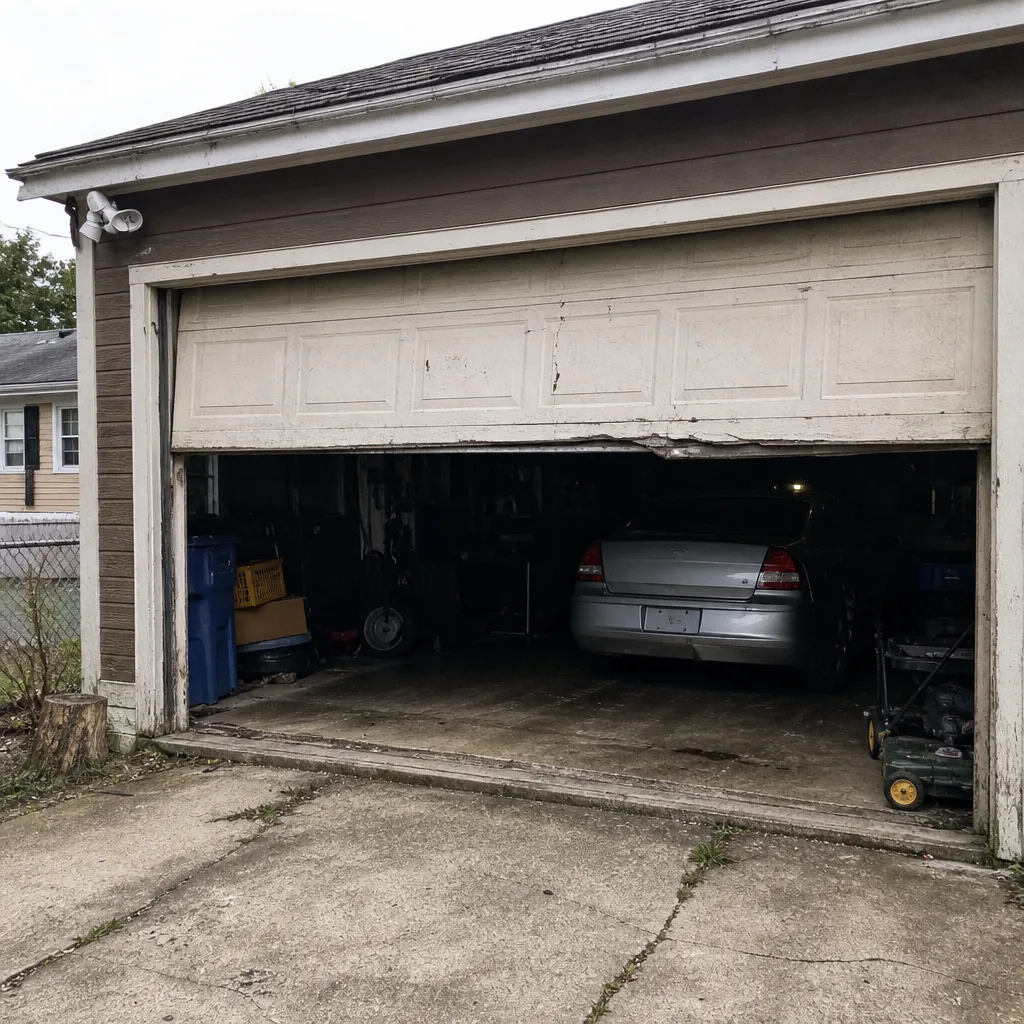 Before
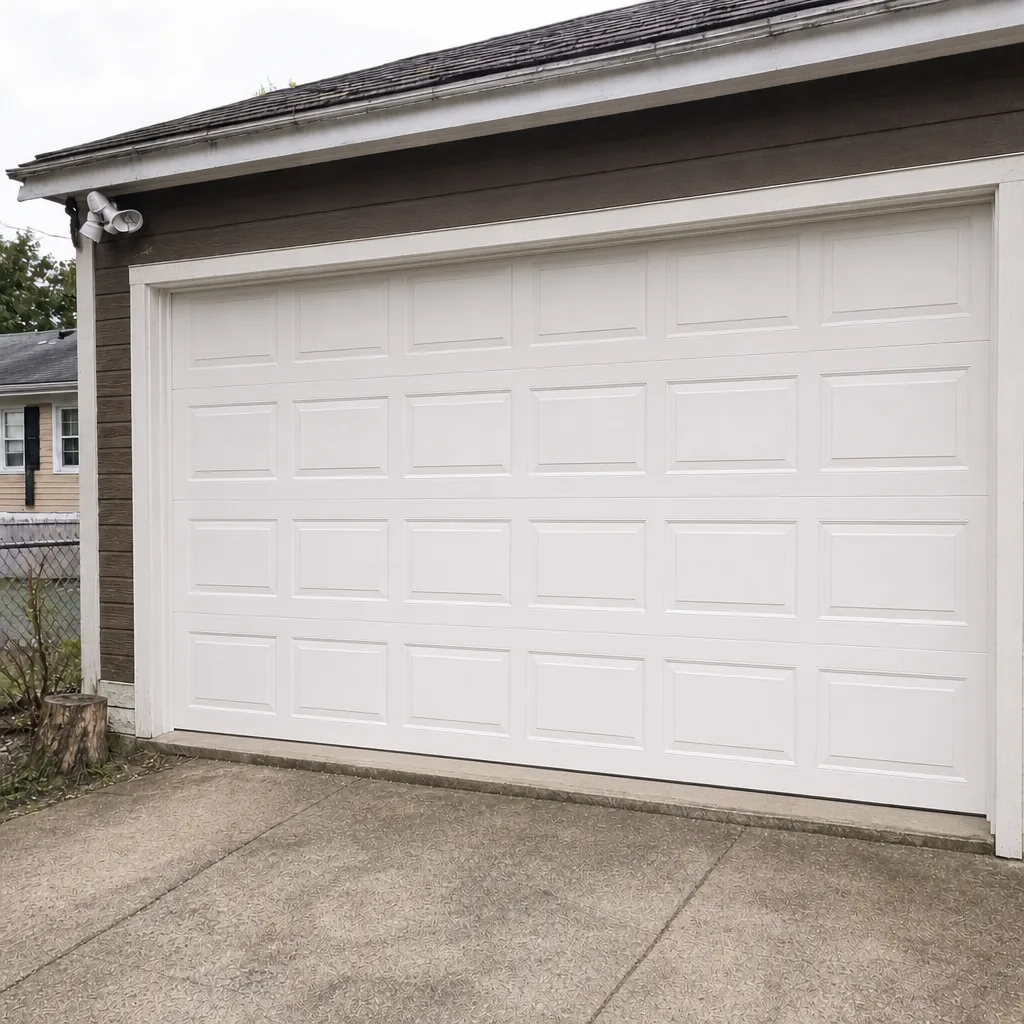 After
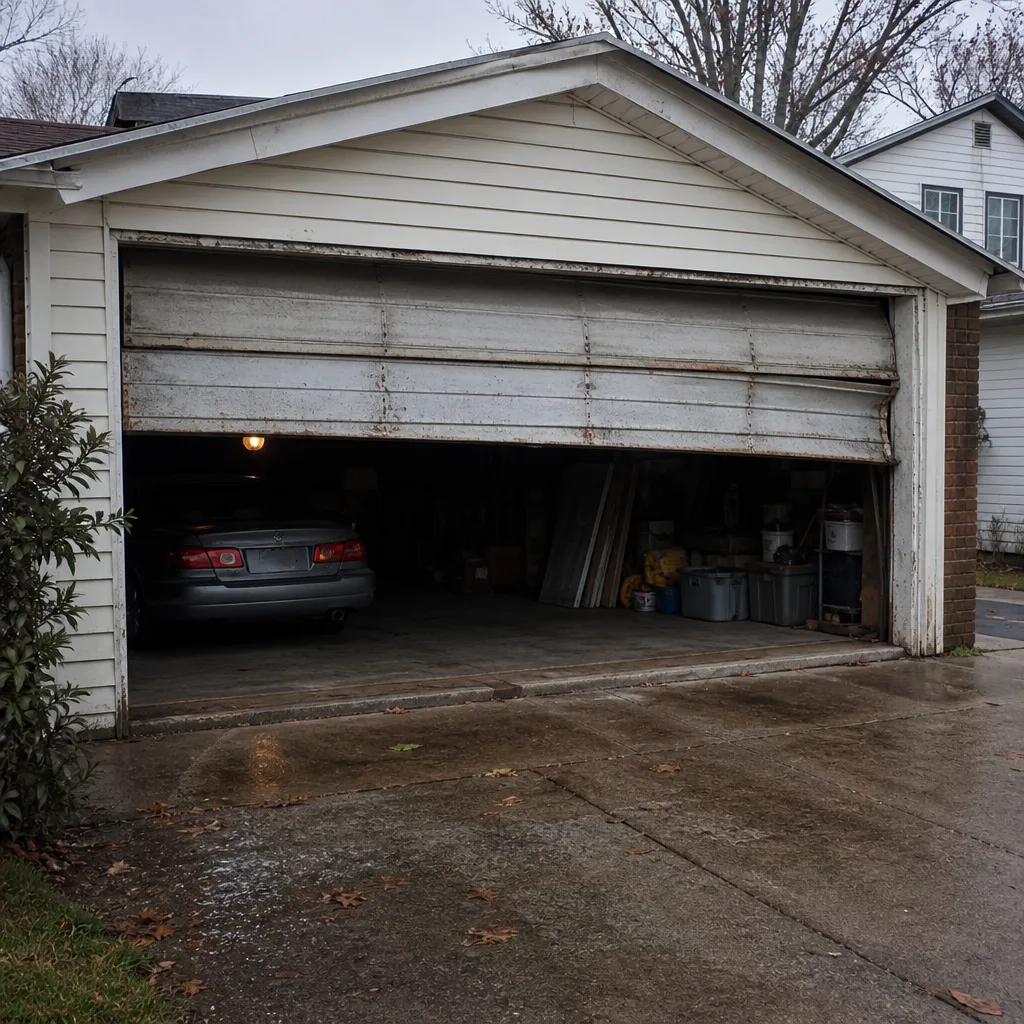 Before
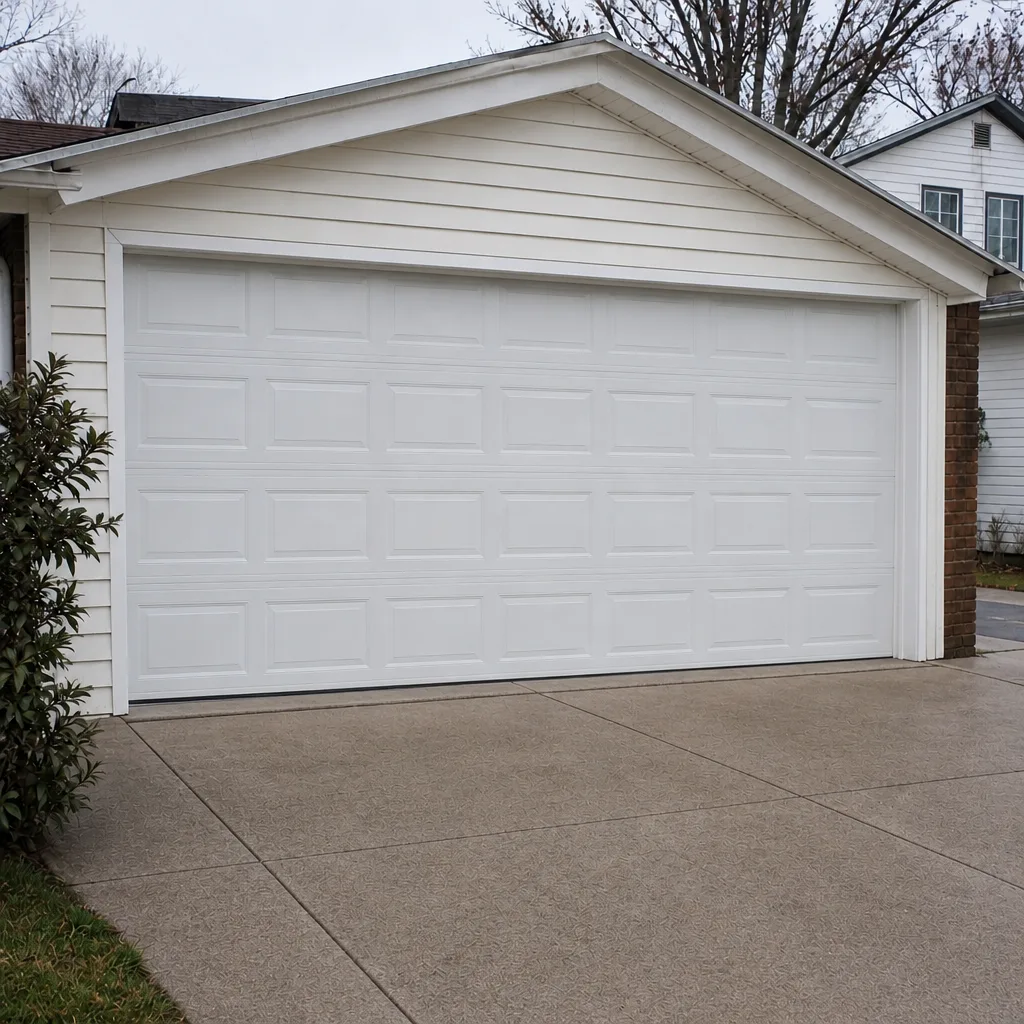 After
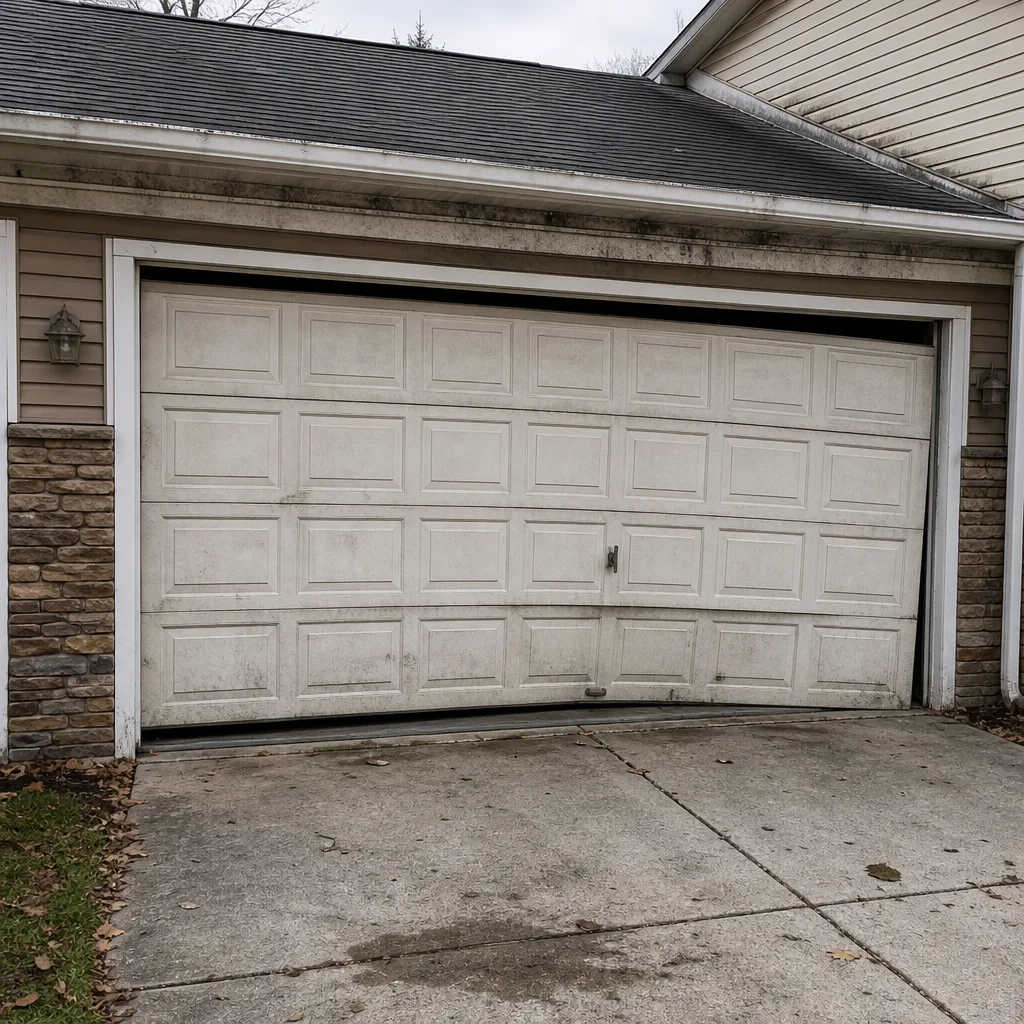 Before
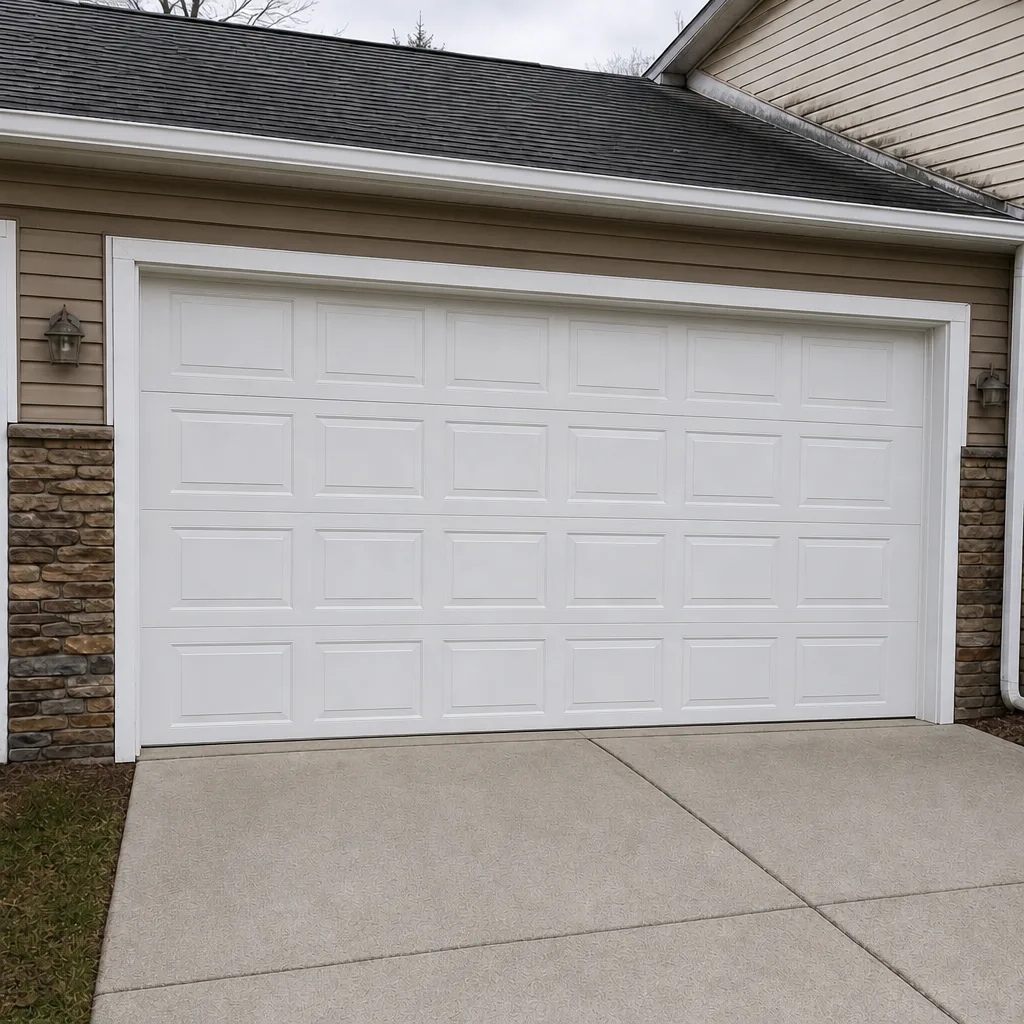 After
When to Call a Professional
Call a professional for any spring failure, cable damage, or visible track deformation. Torsion springs and cables are under extreme tension, and an inexperienced attempt can cause serious injury. Also call for an opener that reverses improperly, a door that’s come off its tracks, a door that’s become unbalanced (it opens fine, but drifts back down), or any time the door cycles unevenly. These are the failure modes most likely to spring up after a previous shortcut repair, so if you’ve inherited a door from a prior company, treat the whole system as due for inspection. Lawrenceville Garage Door Repair Pros offers free estimates in Lawrenceville. Call (866) 984-8670. We answer 24/7. Fast dispatch from 7am to 7pm, Sunday through Friday.
Frequently Asked Questions
A real specialist asks for your door’s weight and height before quoting a spring, names the specific brands and parts they work with, and describes the post-repair balance and force checks without being prompted. The fastest test is to ask what kind of spring system you have and listen for a specific answer: torsion or extension, with a gauge or part number. A generalist gives a generic answer and quotes a flat price. Our technicians have up to 10 years of experience with residential systems, and we work across LiftMaster, Chamberlain, Genie, and other major brands because we focus only on garage doors.
Pennsylvania does not have a statewide garage door contractor license, so what you verify is insurance, business registration, and a written scope of work rather than a license number. The local professional we connect homeowners with is licensed and insured as their state requires, and you should ask for a certificate of insurance before work starts. If a company can’t produce one, that’s your answer. Ask about coverage of spring and track work specifically, since that’s where the injury risk lives.
A one-spring replacement typically runs $180 to $340 in the Lawrenceville area, and a matched pair runs roughly twice that. Springs wear out in pairs, so a technician will often recommend replacing both when they’re the same age, which prevents a second visit when the second spring fails. The written estimate sets the final price, quoted and agreed before any work begins. Call (866) 984-8670 for an exact quote. Estimates are free.
The price is quoted and agreed before any work starts, and the written estimate sets the final price, so there’s no invoice bigger than the quote. The one thing that can change the scope is a discovery the quote didn’t anticipate, such as a deformed track or a damaged panel, but that gets discussed and agreed before any extra work begins. This is why we ask for door weight, height, and spring type before quoting rather than after. Call (866) 984-8670 with your door measurements for an accurate estimate.
The local professional we connect homeowners with is licensed and insured as their state requires, and you should ask for a certificate of insurance on request. Because Pennsylvania has no statewide garage door contractor license, the more useful checks for homeowners are insurance coverage, a written scope of work, and a written warranty on parts and labor. Our technicians have up to 10 years of experience and work exclusively on garage doors and their components.
No. A new garage door installation requires measurement, ordering the correct door for your opening, and scheduling the install. Same-day installation shouldn’t be expected and is a warning sign if offered without measurement. What we can do is give you a free measure and a written price, so you know exactly what the door will be before you commit. Call (866) 984-8670 to get the process started.
The Bottom Line
Hiring a garage door contractor in Lawrenceville comes down to specificity. Ask the five technical questions and listen for real answers about spring type, door weight, opener model, and how the technician tests balance after the repair. Read the written quote for per-spring pricing, itemized parts and labor, and a warranty that covers the labor, not just the part. Verify insurance and business registration, since Pennsylvania has no statewide garage door contractor license to lean on. Treat vague quotes, flat-rate spring jobs, and universal-parts language as signals to keep calling. The right specialist gets you back in operation and stays out of your inbox.
Get a Free Estimate
Garage door work is one of the few home repair trades where the cheap answer tends to cost more the second time around. A spring matched to your door’s weight, a part made for your specific system, and a technician who runs the balance and force checks after the repair are what separate a one-visit solution from a three-visit problem. Whether you need garage door repair, an opener fix, or a full new system, we handle the whole scope with the same trade focus. Call (866) 984-8670 for a free estimate. We answer 24/7. Fast dispatch from 7am to 7pm, Sunday through Friday. The price is quoted and agreed before any work starts, and the written estimate sets the final price.
Written by the team at Lawrenceville Garage Door Repair Pros.